Source: UN News: Tuesday, 06 January 2026 00:01 AM
The only road connecting Malakal to the northern areas of Upper Nile province has been badly damaged during the long rainy season in South Sudan. Daily movement is difficult on this road full of mud and waterlogging. In such a situation, Indian engineers deployed in the UN Peacekeeping Mission (UNMISS) in South Sudan are engaged in repairing this important road, so that the communities can reconnect, ease of movement and daily life can become easier. This road connects the northern areas of Upper Nile with the provincial capital Malakal. But flooding caused by the rains has blocked roads, hampering the movement of life-saving humanitarian aid, and taking a toll on the already struggling local economy. Tweet URL
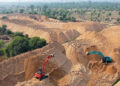
The hardships arising from these conditions are clearly visible in the lives of the local people. For Kamis Gabriel, a local resident, fishing to support his family is the only means of livelihood and survival. “After the roads are flooded, it now takes more than five hours to go fishing every day,” says Kamis Gabriel. “But I have no other option.” When this 99 kilometer long route was fine, his journey was completed in just one and a half hours. But today the situation has completely changed. “Where the water level becomes so deep that neither a car nor a walk is possible, I have to swim across the path,” he said. Besides, the threat of water-borne diseases is also a constant threat. In his good days, when the fish caught would weigh more than 70 pounds, Kamis would have to make several trips across a path filled with mud and water. Are. Like Kamis, hundreds of other people are forced to pass through the same water-filled path. UNMISS assistance is provided by the UN Peacekeeping Mission in South Sudan (UNMISSIndian engineers deployed under ) are repairing parts of this important road to ease the hardships of the local people. This project is being led by Commander Shobhit Chaudhary. He told that after the repair of this road last year, there was a big change in the lives of the local people. Commander Choudhary says, “As soon as the road was completed, people started traveling by motor vehicles instead of walking about 100 kilometers. While passing through this road, the smile on their faces used to say everything in itself. Therefore, we are once again making every possible effort to make their life a little easier.” Commander Choudhary and his team are working continuously. With the help of about 30 heavy engineering machines, soil is being brought in more than 100 times, seven days a week, so that the water-logged road can be converted into solid ground again. Their aim is that through this effort, people can once again connect, move and do business. The daily lives and livelihoods of local communities depend on the improvements being made on this route.