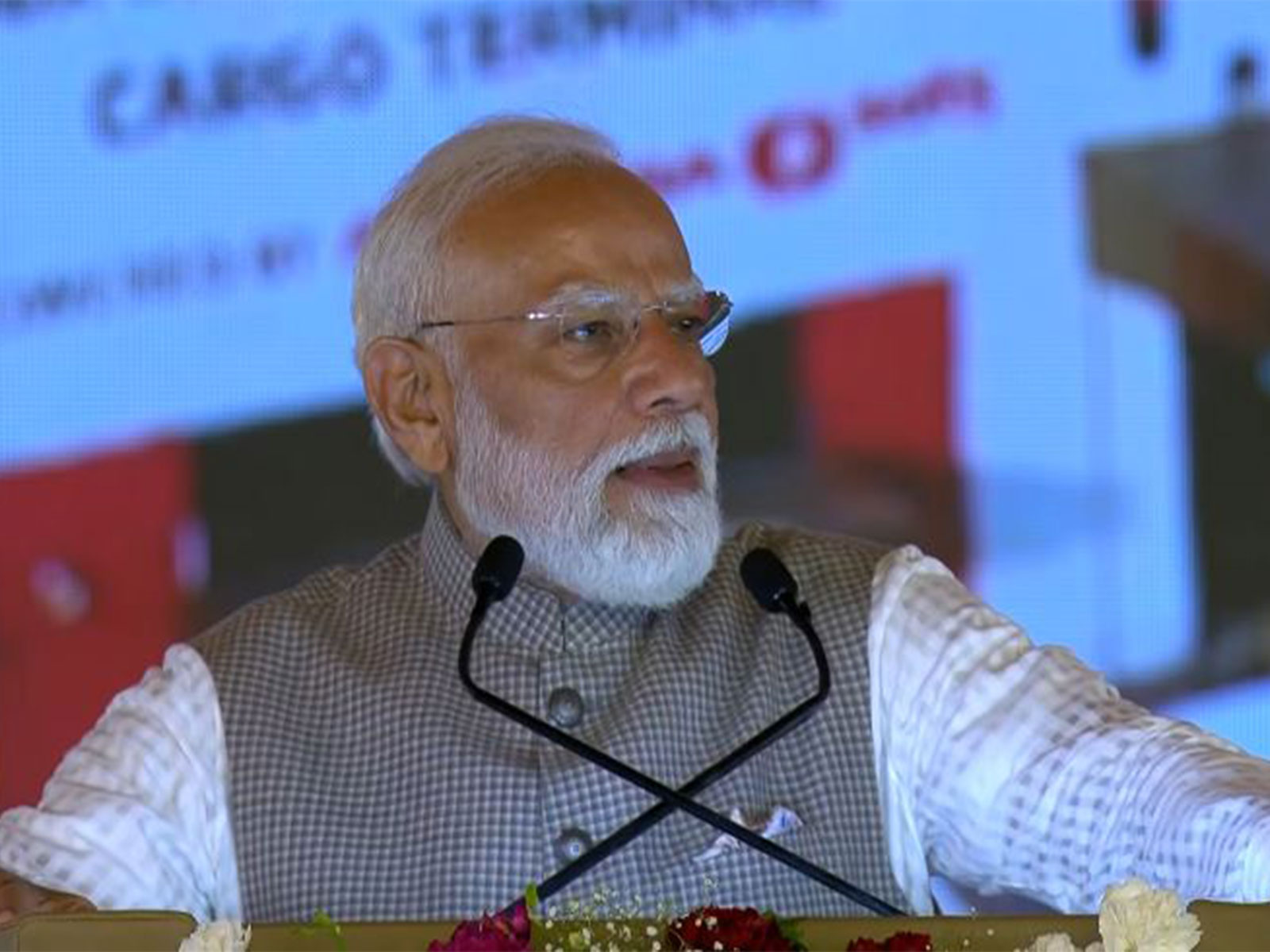
Prime Minister Narendra Modi on Saturday inaugurated the first phase of the Noida International Airport in Jewar, calling it a symbol of the “new spirit of India” and highlighting its potential to drive development in Uttar Pradesh.
He emphasized that this airport will act as a catalyst for development, creating opportunities for the youth and farmers of Uttar Pradesh and will also benefit the surrounding areas like Agra, Mathura and Ghaziabad.
The first phase of the airport has been developed under the Public-Private Partnership (PPP) model with a total investment of approximately Rs 11,200 crore.
In his address, Prime Minister Modi said, “Today we are starting a new chapter of the ‘Vikshit Uttar Pradesh, Vikshit Bharat’ campaign. The country’s largest state has today become one of the states with the highest number of international airports in the country. I had the privilege of laying the foundation stone of this airport, and now I am also getting the privilege of inaugurating it. But I am sharing this good fortune with all of you. Today we are starting a new chapter of the ‘Vikshit Uttar Pradesh, Vikshit Bharat’ campaign. The country’s largest state has today become one of the states with the highest number of international airports in the country.”
He said, “This will also provide opportunities to the farmers and youth of Western Uttar Pradesh. Planes will fly and it will become a symbol of the identity of a developed Uttar Pradesh. I congratulate the people of Western Uttar Pradesh. Today’s event symbolizes the new spirit of India.”
He further said, “Uttar Pradesh, which made me an MP, has now attached its identity to the name of this airport. Agra, Mathura, Ghaziabad, Meerut, Etawah and many other places will greatly benefit from this Noida airport.”
Despite the ongoing conflict and energy disruption in West Asia, Prime Minister Modi assured that the government is working to ensure that the burden does not fall on ordinary families and farmers.
He said, “At a time when the world is worried due to the ongoing conflict in West Asia and shortage of essential commodities like food, fuel and fertilizers, India is tackling this crisis with full force.”
“The government is ensuring that its burden does not fall on common families and farmers,” he said.