New Delhi, June 4 (IANS). The India-Middle East-Europe Economic Corridor (IMEC) is a proposed multinational infrastructure initiative that aims to strengthen connectivity between India, the Middle East and Europe through an integrated framework of trade, energy and digital networks. According to one article, the project is also being seen partly as an alternative to China’s global infrastructure project Belt and Road Initiative (BRI).
IMEC was announced during the G20 Summit held in the national capital in September 2023. According to an article published in the Middle East Institute, the project aims to create a strong and reliable supply chain network connecting India, the Middle East and Europe.
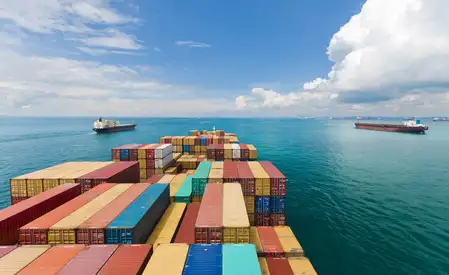
This corridor will be developed to transport goods, energy and data, thereby reducing dependence on the Bab-el-Mandeb Strait and the Suez Canal. The proposed project will include modern ports, integrated energy grid, rail network and undersea cables. This will create a more effective and faster alternative route for trade, energy and data transmission.
Major signatory countries of IMEC include India, US, United Arab Emirates (UAE), Saudi Arabia, Israel, Jordan, France, Germany, Italy and the European Union. Whereas Qatar, Oman, Türkiye, Iraq and Iran are not part of this initiative.
The article states that the IMEC project is not moving forward at present due to the ongoing conflict in the Middle East. However, nearly two and a half years after the project was announced, the need is greater than ever. Experts believe that whether it is IMEC or any other competing project, regional countries will continue to work on infrastructure development to create a more connected and prosperous economic structure in the future.
The article said the ship blockage in the Suez Canal in 2021 and the activities of Houthi rebels in the Red Sea region since late 2023 have highlighted the vulnerabilities of global trade routes. IMEC can provide solutions to these challenges.
Through this corridor, the time to transport goods from India to Europe can be significantly reduced, which is likely to reduce the transportation cost by about 30 percent.
Although the project is mainly based on transportation networks, its biggest benefits can be seen in the energy and technology sectors. The fibre-optic cables to be laid along this route will reduce data traffic bottlenecks in the Bab-el-Mandeb region and provide additional capacity to India’s growing digital sector.
Additionally, IMEC will also promote US strategic interests by strengthening regional economic cooperation and can help advance the normalization process begun under the Abraham Accords.
The article says that Prime Minister Narendra Modi’s government has laid special emphasis on expanding technological and digital infrastructure. In such a situation, IMEC’s fiber-optic and energy networks are not just additional facilities, but are the biggest strength of this project.
India generates about 20 percent of the data globally, but has only about 3 percent of the world’s total data center capacity. Closing this gap will require greater investment in more international data traffic and undersea cable networks.
India’s large industrial companies have already been cooperating with the Gulf countries in the development of ports, railways and telecommunication infrastructure. At present, technology and semiconductor industries have become the main focus of India-Gulf relations.
According to the article, the fibre-optic cables to be laid under IMEC will provide high capacity, low-latency and fast data transmission between Europe, the Gulf countries and India. At a time when the demand for data is increasing rapidly, this project can give a new impetus to India’s digital and economic development.
–IANS
DBP