
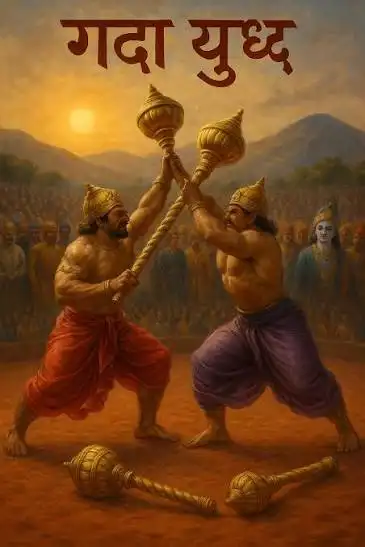
Many divine weapons are mentioned in Hindu religion and mythological texts. In these, mace is considered a symbol of power, valor, courage and protection of religion. In ancient times, mace was not only a weapon of war, but it was also considered a symbol of strength, authority and bravery. In Ramayana, Mahabharata and Puranas, there are descriptions of many such gods and great warriors, whose identity is linked to their divine mace. Let us know about the five major maces described in Hindu religion and their importance.
1. Kaumodaki Mace – Divine weapon of Lord Vishnu
The four main weapons of Lord Vishnu include Shankha, Chakra, Mace and Padma. His mace is called Kaumodaki. According to religious beliefs, this mace is a symbol of amazing power and divine energy. It is described in the Puranas that Lord Vishnu had killed many demons with the help of this mace. Kaumodaki is considered a symbol of protection of religion and destruction of unrighteousness.
2. Hanumanji’s mace
Lord Hanuman’s mace is the most prominent symbol of his identity. It is described in Ramayana that Hanuman ji had killed many demons with his immense power and bravery. His mace is considered a symbol of courage, loyalty and devotion. There is a religious belief that by worshiping Lord Hanuman, a person gets freedom from fear and negative powers.
3. Bhima’s mace
Among the Pandavas of Mahabharata, Bhima was famous for his extraordinary physical strength. There was no match to his mastery in mace warfare. Bhima’s mace is considered a symbol of strength, bravery and struggle for justice. In the Mahabharata war, he defeated many warriors in mace combat.
4. Duryodhana’s mace
Duryodhana, the eldest son of the Kauravas, was also considered a great warrior in mace warfare. He had received special training in mace warfare from Balram. The mace fight between Bhima and Duryodhana in Mahabharata is considered to be one of the most famous incidents. Duryodhana’s mace was a symbol of his fighting ability and bravery.
5. Mace of Lord Ganesha
Lord Ganesha is usually depicted with modak, goad and noose, but many ancient sculptures and paintings also show him with a mace in his hand. Mace is considered a symbol of power, ability to overcome obstacles and protection of religion. It shows how important the balance of intelligence and strength is in life.
Religious and cultural importance of mace
In Hindu religion, mace is not just a weapon but is considered a symbol of strength, courage, discipline and protection of religion. The maces of gods and great warriors give the message that power should always be used for the establishment of justice and religion. This is the reason that even today mace enjoys special respect in Indian culture and religious traditions.