
Tata Motors Our Plans to launch 3 new electric cars in 2026 to expand portfolio
Tata Motors has given official information about the next plan of its electric vehicles (EV). Under this, the company will launch many new electric cars in the coming years, as well as increase charging facilities across the country and take important initiatives related to local manufacturing. This announcement has been made at a time when Tata has sold more than 2.5 lakh EVs in just 5 years and Nexon EV has become the first electric car in India to sell more than 1 lakh units.
Tata will take the first step in the year 2026. The company will launch the production-ready Sierra EV this year and along with it the new generation model of Punch EV will also be introduced. Sierra with petrol-diesel engine has received good response from the customers, that is why Tata is now preparing to launch its electric version. The Sierra EV will come with two battery options and will be capable of delivering a range of over 500 kilometers on a single charge.
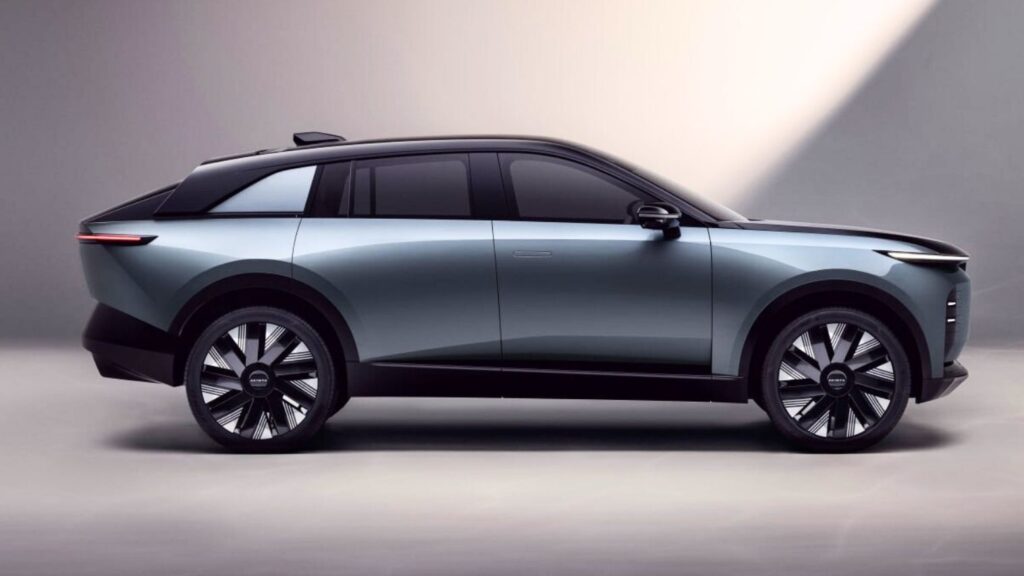
Tata will also unveil its Avinya range by the end of 2026. This will be a new family of premium electric vehicles, which will be positioned at the top of Tata’s EV portfolio. Avinya has been shown in concept form several times before. Tata has also confirmed a major expansion of its EV line-up by the end of the decade.
Tata plans to launch at least five all-new electric nameplates by FY2030, which will include the Sierra and Avinya families. Apart from this, there will be continuous updates, facelifts and new features added to the existing models to keep the range competitive. The charging infrastructure will also be expanded along with the vehicle launch.
Tata says that customer expectations are changing rapidly and now along with reliable performance, ultra-fast charging has also become an important purchase decision. By CY2027, the company aims to install around 4 lakh charging points across the country, of which more than 30,000 will be public fast chargers. All these Tata EVs will be developed under the Open Collaboration Framework.
Tata is working on a plan to create a network of 10 lakh charging points in India by 2030. Tata will introduce facilities like battery health check and battery refurbishment for second-hand EV customers. At the same time, after use, the batteries will be reused for energy storage so that circular economy can be promoted. Tata has also confirmed that the next big step will be sourcing high-voltage battery cells locally, from Agratas’ gigafactory being built in Sanand, Gujarat.