
Image Source: B.Choww/Instagram
The new generation Kia SELTOS is expected to be launched next year, which will have many changes in the exterior and interior
Kia is working on the new generation Kia Cold and has been seen many times during testing in Indian roads as well as abroad. Recently it has been seen once again and it is believed that major changes will be made in it. The biggest discussion is that later it can also get a hybrid engine option. It is expected that it will be revealed in 2026.
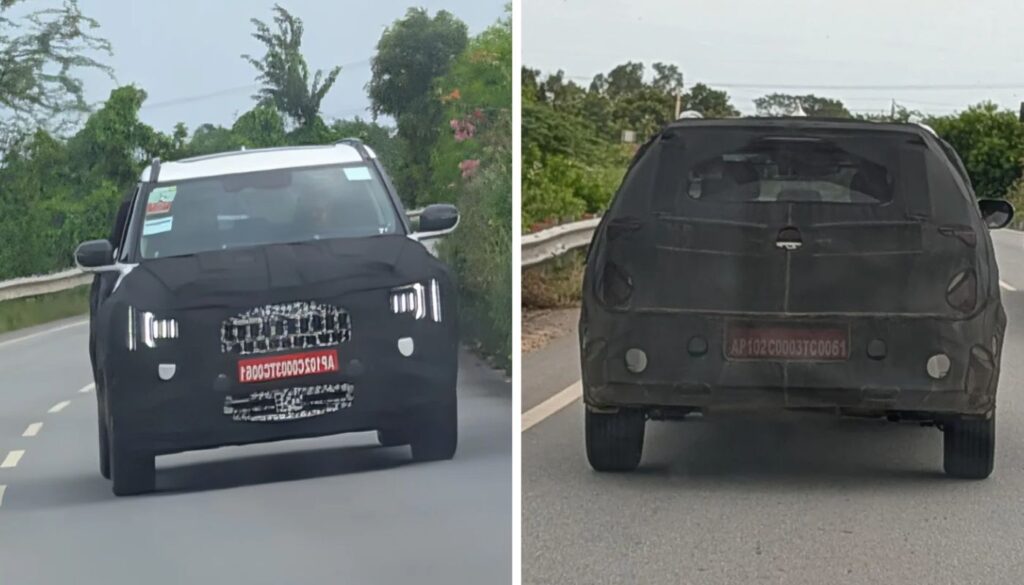
This testing model seen on Indian roads gives a clear indication of Kia’s new design language, which takes inspiration from global models. It appears that this SUV has vertical LED headlamps, new air intake patterns, new vertical LED DRLs.
All these updates together show that the new Celtose will be more stylish and attractive than before. The biggest change has been made so far in its front part. The new design will include alloy wheels, triangular rear quarter glass, both sides of new bumpers and changed taillight signature. Also, Kia can also bring some new colors options in it.
Image Source: B.Choww/Instagram
Although the second generation of Celtose seems to retain its familiar shape from the outside, the real change is expected to be inside the cabin. Kia can change the design of dashboard and center console using new surface material and updated texture for more premium feel. On the technical front, this SUV should include advanced connected car function as well as advanced security facilities and driver aid equipment.
There is speculation that Kia may prepare an all-wheel-drive hybrid version of the next generation of Celtose for select markets. Given the increasing popularity of hybrid cars in the midsize SUV segment, this step would be perfect for Kia. This will improve mileage and reduce pollution.
Pic source: reddit
For markets like India, Kia will continue its timeline-pure powertrain lineup, including 1.5-liter petrol, 1.5-liter turbo petrol and 1.5-liter diesel engine. The NA petrol engine produces 115 PS of power and 144 Nm of torque, while the diesel engine produces 116 PS of power and 250 Nm of torque. At the same time, the turbo engine is sufficient to give 160 PS of power and 253 Nm of torque.