
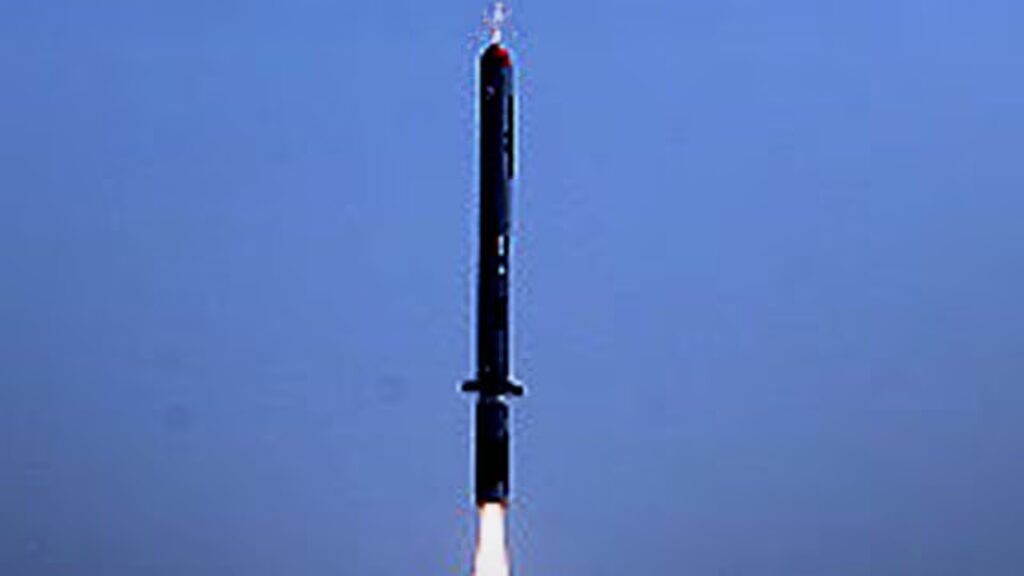
A major step is being taken towards further strengthening the Indian Navy. The Defense Research and Development Organization (DRDO) and the Indian Navy are preparing to conduct a projection test of indigenous technology cruise missile (ITCM) later this year. The missile can penetrate the targets up to 1,000 km away. This test is an important step towards providing India a versatile and long -range subconnic cruise missile.
What is ITCM missile?
ITCM is an advanced version of the Nirbhay Cruz missile project. It is a subconnik (slow) missile that is capable of accurately attacking both the ground and the sea. Its firepower is 1,000 kilometers. The missile has advanced avionics, better navigation and ground flight capacity, which helps it to avoid the enemy’s radar. The testing was successful in February 2023. It is projected under water from submarines, increasing India’s underwriting colony.
Land-projection (LRLACM): The first test of long-range land-infection cruise missile (LRLACM) was conducted on November 12, 2024 from the Integrated Test Center in Chandipur, Odisha. It was fired from a mobile launcher, which demonstrated 1000 km of firepower and accurate navigation.
Air-prohibited: Development work continues. It is planned to deploy Indian Air Force aircraft such as SU-30MKI and Rafael for long distance attacks.
Ship-prohibited: This version will be tested soon. It will be fired from the Navy warships and will target the enemy from a distance.
How are the preparations for the test going on?
For this test, DRDO is developing a temporary vertical launch system (VLS), which is specifically designed for warships. This will facilitate easy launch of missiles from launcher ships. The Indian Navy is adopting the Universal Vertical Launch Module (UVLM) in place of the old Russian UKSK missiles. This will allow many missiles like BrahMos and ITCM to be launched from the same place.
The main objective of this test is to integrate the missile with the ship’s radar system. The guidance and navigation of the missile will be integrated with the ship’s multi-functional radar and war management system. This will help in accurate detection of the target and target accurately on it. Missile’s indigenous radio frequency Sikar has performed well in previous tests and will play an important role in accurately targeting during the test.
How is ITCM different from BrahMos?
The main frank missile of the Indian Navy is BrahMos, which is supersonic (very fast). BrahMos is being upgraded to 900 km of firepower. However, ITCM can kill up to 1000 km. Being subconsonic, it is also inexpensive. This is a good option for accurate attack on distant goals. The two missiles together will strengthen the Navy.
The future and importance of the Navy
If this test was successful, the Indian Navy will buy around 200 LRLACM missiles at a cost of around ₹ 5,000 crore. The ITCM that is launched by the ship will increase the traditional resistance of the Navy. This will help in combating China’s growing naval power in the Indian Ocean and the maritime power of Pakistan. This test will demonstrate the world’s indigenous weapon manufacturing capabilities to the world. The DRDO and Navy teams together are providing a strong defense system to India. This missile will soon become a new weapon of our Navy.