US Treasury Secretary Scott Besant clearly said in the White House that the waivers given earlier for Russian and Iranian oil will not be extended. The waiver for Russian oil expired on Saturday, and the waiver for Iranian oil expired on Sunday. The Trump administration had already indicated that these exemptions would not be renewed. This news is a big blow to Indian refineries.
India took full advantage of this opportunity
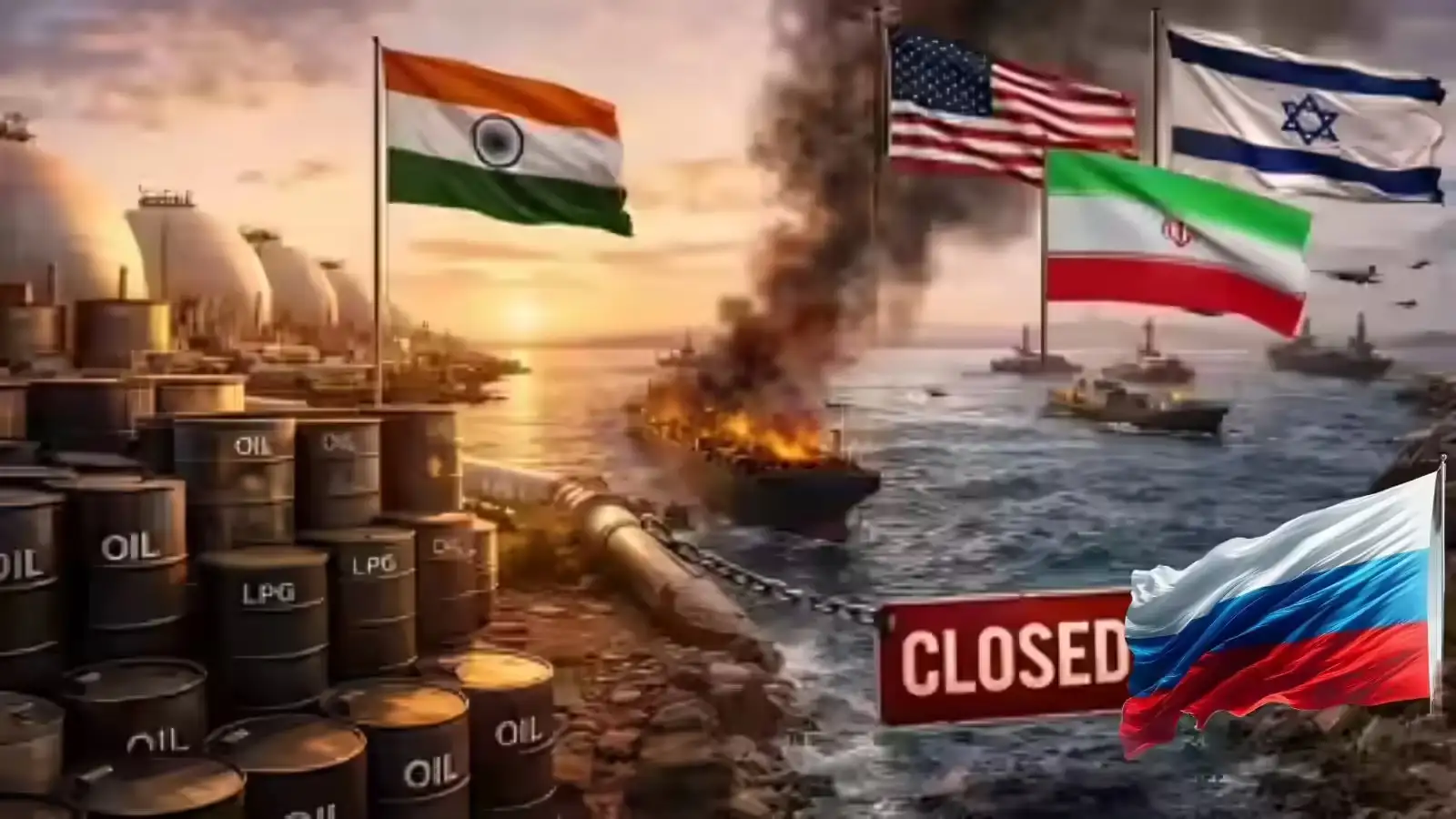
In late February, global oil supplies were disrupted when the US and Israel attacked Iran and the Strait of Hormuz was closed. At the same time—in early March—the US granted temporary waivers to several countries, including India, allowing them to buy oil from Russia and Iran. India grabbed this opportunity with both hands. During this period, Indian refineries placed orders for about 30 million barrels of Russian oil. After initial discounts, India bought about 60 million barrels of oil for delivery this month. In March, India bought an average of 1.98 million barrels of Russian oil per day—the highest amount recorded since June 2023. Vandana Hari, founder of Singapore-based consultancy firm Vanda Insights, told Bloomberg that India was buying as much Russian oil as it could.
The story began with the Ukraine war
In 2022, when Russia invaded Ukraine, Western countries turned away from Russian oil. After this Russia started selling its oil at a huge discount. India recognized this opportunity and started buying oil from Russia. Within a short time, India emerged as the largest seaborne buyer of Russian oil. However, then Trump started applying pressure. He threatened to impose heavy tariffs and impose sanctions on Russian companies like Rosneft and Lukoil. As a result, Indian refineries started reducing their purchases. During the second half of the year, tankers loaded with Russian oil remained stranded at sea, with no buyers. In early January, approximately 155 million barrels of Russian oil were floating in the ocean; Now this figure has come down to 100 million barrels.
Iranian oil reached India after seven years
Amidst this crisis, another important development is that Iranian oil has reached India after a gap of seven years. About 40 lakh barrels of Iran’s crude oil has reached India. The tanker named *Jaya*—which is operating under a waiver granted by the US sanctions—is offloading its cargo at the Paradip port in Odisha this week. Meanwhile, another tanker, *Felicity*, is doing the same work at Sikka port in Gujarat. It is expected that both these ships will leave from there by Friday. Indian Oil Corporation operates in Paradip, while Reliance Industries and BPCL operate in Sikka.
How big are the challenges facing India?
India imports about 90 percent of its oil needs, a large part of which comes through the Strait of Hormuz. Ever since the blockage in the Strait of Hormuz, India is facing serious threats like oil shortage, rising prices and slow economic growth rate. There is also fierce competition going on for LNG (Liquefied Natural Gas). India, the Philippines and several other Asian countries had appealed to the US to extend the exemption on Russian oil, but these appeals yielded no results. On Tuesday, Prime Minister Narendra Modi spoke to President Trump over phone and stressed the need to keep the Strait of Hormuz open. However, the US administration did not comment on the possibility of any limited relaxation. At present, India is in trouble on two fronts: on one hand the threat posed by Iran, and on the other hand the US sanctions. Thus, India is caught in a difficult situation from both sides.