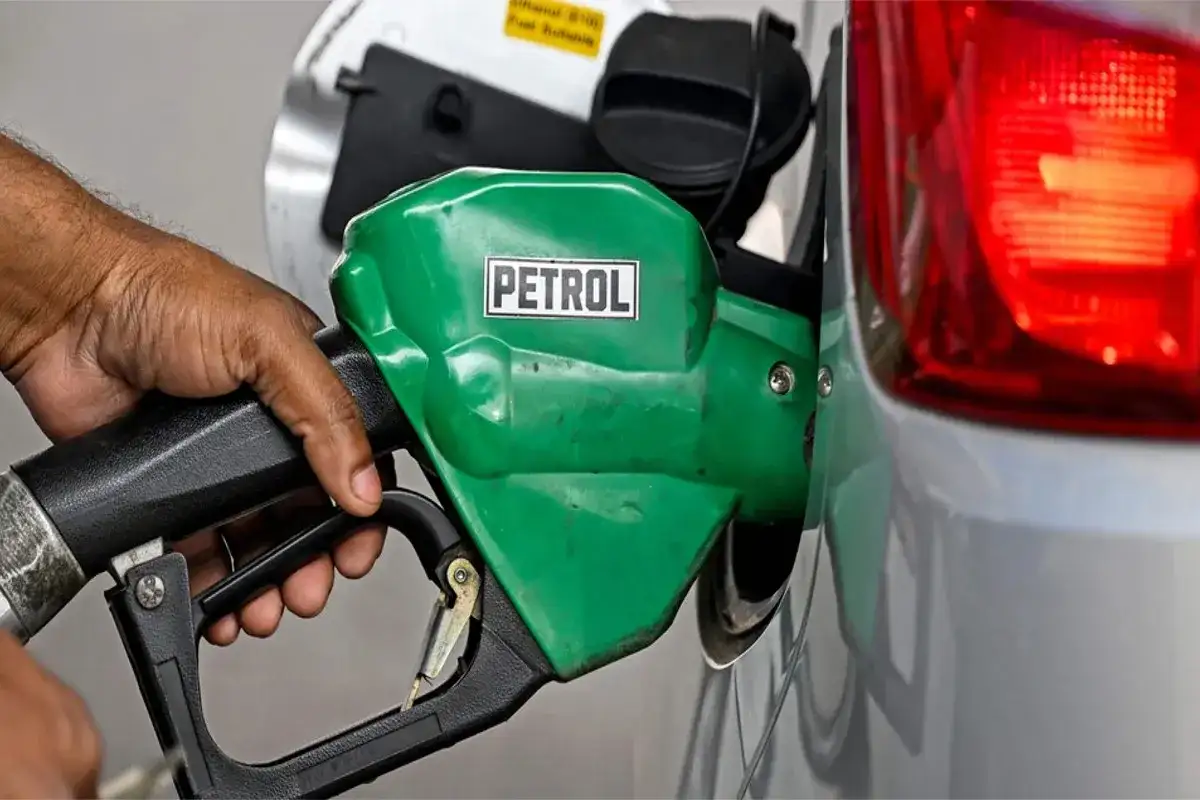
The government has taken a big decision regarding petrol, diesel and jet fuel. On Saturday, export duty on diesel was more than doubled, from ₹21.5 per liter to ₹55.5 per litre. Meanwhile, export levy on jet fuel (ATF) was increased from ₹29.5 per liter to ₹42 per litre. For petrol, this levy has been kept at zero, unchanged from its previous level.
Regarding this change, it is believed that the government’s objective is to protect domestic prices from the burden of inflation; As a result, it has increased export duties to ensure continued availability of petrol, diesel and jet fuel in the domestic market—especially at a time when global energy prices remain volatile. The price of Brent crude oil continues to remain around the $100 per barrel mark. The government’s move is part of a broader windfall tax framework, under which the government periodically adjusts the levy on fuel exports to strike a balance between refiners’ profits and the needs of the local market.
A blow to oil companies
However, the move could have an impact on the operations of oil companies—especially those whose business depends heavily on supplying refined diesel and jet fuel to other countries—which could impact their profits. On the contrary, since there has been no change in the levy on petrol, there is expected to be no impact on petrol trade.
no change in petrol
The government has not made any change in the export duty on petrol. This means that refining companies have—or are available domestically—sufficient reserves of petroleum to meet the country’s internal demand as well as to export to other countries. Increasing export duty on diesel and jet fuel is a strategic part of the government’s efforts to secure domestic energy supplies. It is noteworthy that after the implementation of the ceasefire between Iran and the United States, the prices of Brent crude remain below $100 per barrel; Although it is expected that oil prices may fall further after peace talks, risks remain for now.