
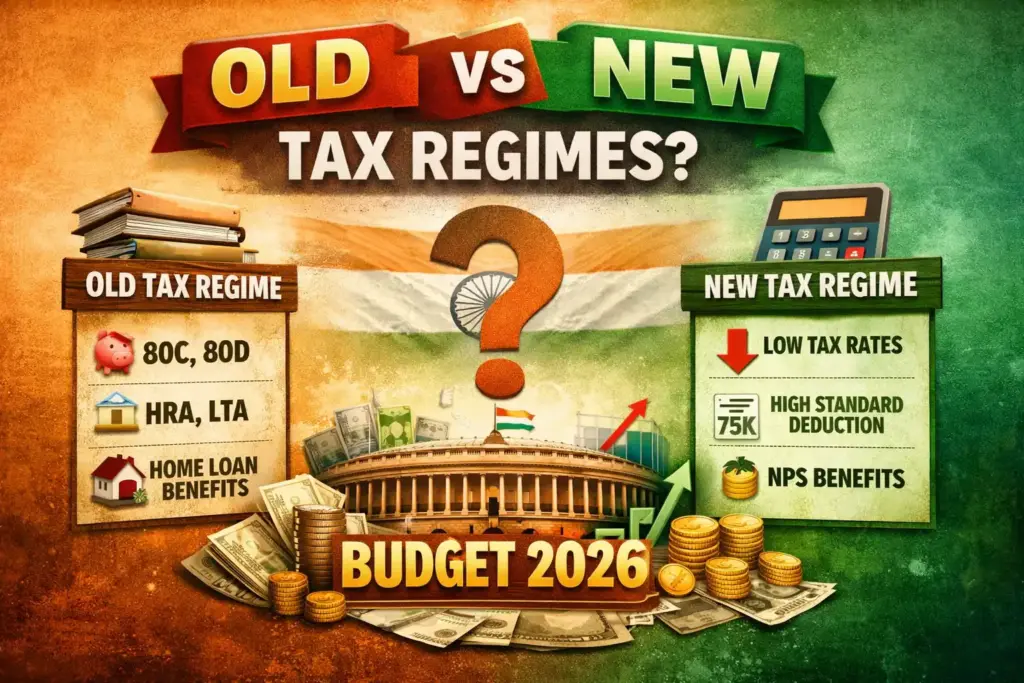
Union Finance Minister Nirmala Sitharaman is scheduled to present the Union Budget on Sunday, February 1, 2026, at 11 am. Lakhs of investors and taxpayers across the country are keeping an eye on this budget, because the relief provided by it will have a direct impact on their finances. This will be Nirmala Sitharaman’s ninth consecutive full budget, and the first time she will present the budget on a Sunday. From the middle class and salaried people to farmers and women, all sections of the society have high expectations from the Union Budget.
What are the expectations from the budget?
Property and Home Loan
While property prices are rising and loan burden on people has increased, home buyers are demanding tax relief. Their main demand is to increase the tax exemption on home loans. At present, the limit of interest deduction under Section 24(b) of the Income Tax Act is Rs 2 lakh, which was fixed several years ago and is considered inadequate in the current circumstances. Apart from this, Pranav Kumar, Founder and CEO of Plus Cash, says that in Budget 2026-27, the focus can be on promoting tax savings and long-term investment. Expectations include increase in standard deduction, simplification of tax slabs, and additional relief related to housing loans and insurance.
Health
According to a report by Bajaj Broking, the scope of healthcare services in the country is continuously increasing, and it may be further expanded in Budget 2026. In this, the scope of health insurance scheme can be expanded to include more people and long-term treatment. However, the report also warns that while this will provide a positive boost to the health sector, it could put pressure on profits of private hospitals if they have to provide services at government rates.
Capital expenditure
Broking firm Anand Rathi believes the government will continue on its current path of reforms during FY 2026-27, and the chances of any major or surprise decisions in the Budget are slim. According to the firm, the government is likely to increase capital expenditure (capex) in the budget by about 13 per cent year-on-year to ₹12.6 trillion. The capex-to-GDP ratio is estimated to be around 3.2 percent. It is worth noting that in the Economic Survey report presented on Thursday, India’s GDP growth rate for the financial year 2026-27 has been estimated to be between 6.8 percent to 7.2 percent. Moreover, the real average GDP growth rate for FY 2026 is estimated at 7.4 percent and gross value added (GVA) at 7.3 percent.