
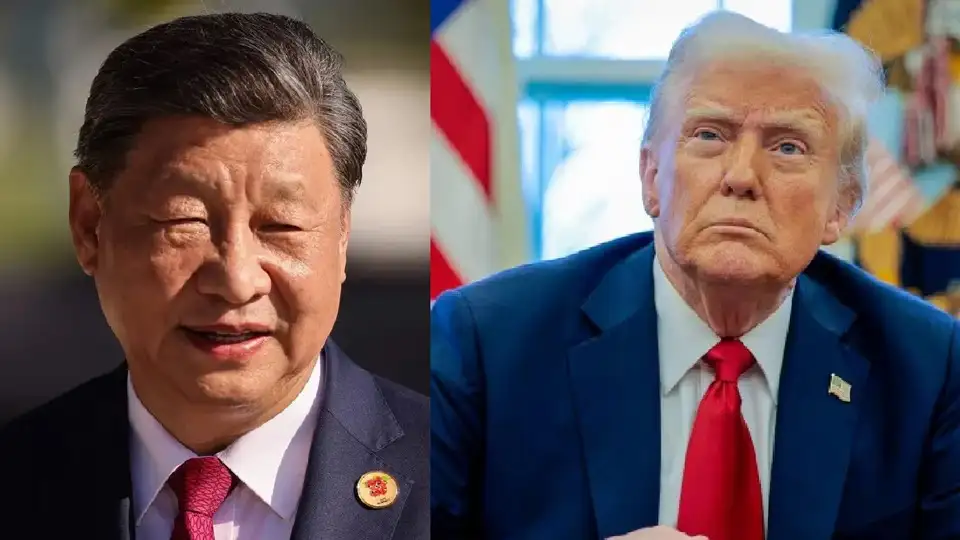
China’s trade surplus exceeded $1 trillion for the first time in November amid higher tariffs imposed by the US. This was mainly due to American manufacturers shifting their exports to markets in Europe, Australia and Southeast Asia instead of sending them to the US due to high import duties. Meanwhile, China’s exports to America decreased by almost one-third compared to last year.
China’s trade boom
According to customs data released on Monday, China’s total exports in November increased 5.9 percent year-on-year. In the same month, China’s trade surplus widened to $111.68 billion, the highest since June and surpassing the record $90.7 billion set in October. With this, China’s trade surplus went above $1 trillion for the first time in the last 11 months.
Despite the tariff agreement between the US and China, there has been no significant improvement in Chinese shipments to the US, according to Zichun Huang, China economist at Capital Economics. Experts believe that China’s exports will remain strong in the coming year. Following Trump’s election victory in 2024, China adopted a strategy to expand its exports to different markets, including increasing trade with Southeast Asia and the European Union.
How did China’s trade surplus increase?
This directly benefited Chinese companies, who strengthened their hold in global markets with lower tariffs. In November, China’s exports to the US fell by 29 per cent, while exports to the EU increased by 14.8 per cent, Australia by 35.8 per cent and Southeast Asian countries by 8.2 per cent. This report has come at a time when after the meeting of President Trump and President Xi Jinping in South Korea on October 30, there were positive signals regarding the tariff agreement between the two countries.