
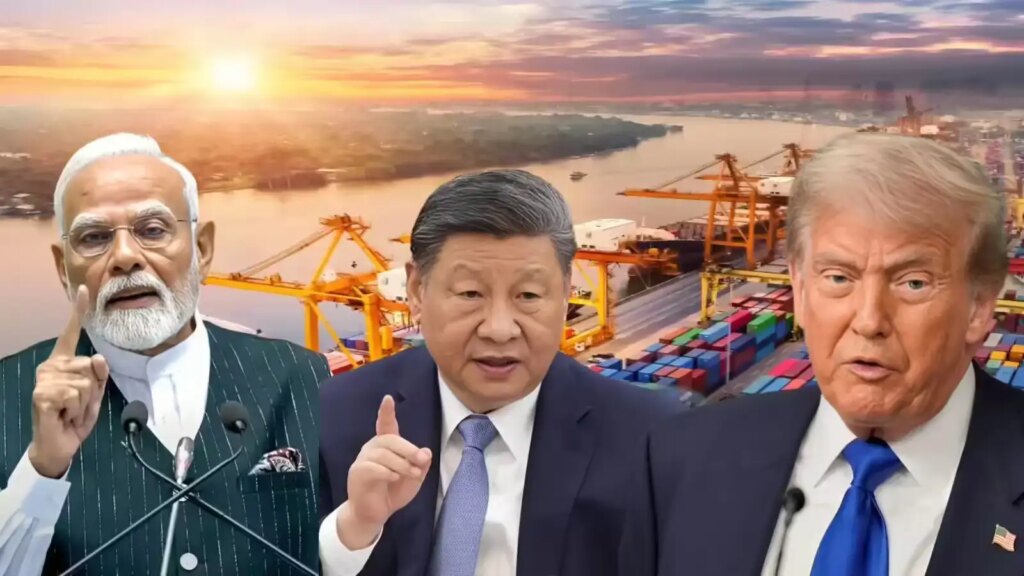
The recent lull in the tariff war between the US and China has brought some relief to the global economy, but it is having a negative impact on India’s electronics sector. Following the meeting between the US and Chinese Presidents in Busan, the reduction in trade tensions between the two countries was hailed as a “success”, but the development has raised concerns for India’s electronics industry.
Impact of US-China agreement
US electronics companies have expressed concern about losing their competitive edge following the reduction in tariffs on Chinese goods. The industry says that this may weaken their hold on the American market, as Chinese products will now be available at cheaper prices. As a result, Indian industry has appealed to the government to take supportive policy measures to mitigate this potential impact. Following a meeting between US President Vladimir Putin and Chinese President Xi Jinping on October 30, the US reduced the fentanyl tariff imposed on China from 20 per cent to 10 per cent. According to a report in the Economic Times, this move has significantly reduced the competitive advantage India enjoyed earlier.
ICEA’s concern
The India Cellular and Electronics Association (ICEA) said in a letter to the government on November 6 that the reduction in US tariffs on Chinese goods could lead to a decline of about 10 per cent in the profits of Indian electronics companies. ICEA represents the country’s leading electronics companies – Apple, Google, Motorola, Foxconn, Vivo, Oppo, Lava, Dixon, Flex and Tata Electronics. This position is significant as the electronics sector has been one of the fastest growing sectors in India under the ‘Make in India’ initiative. This new challenge arising from the trade agreement between the US and China could threaten to slow down India’s success.