
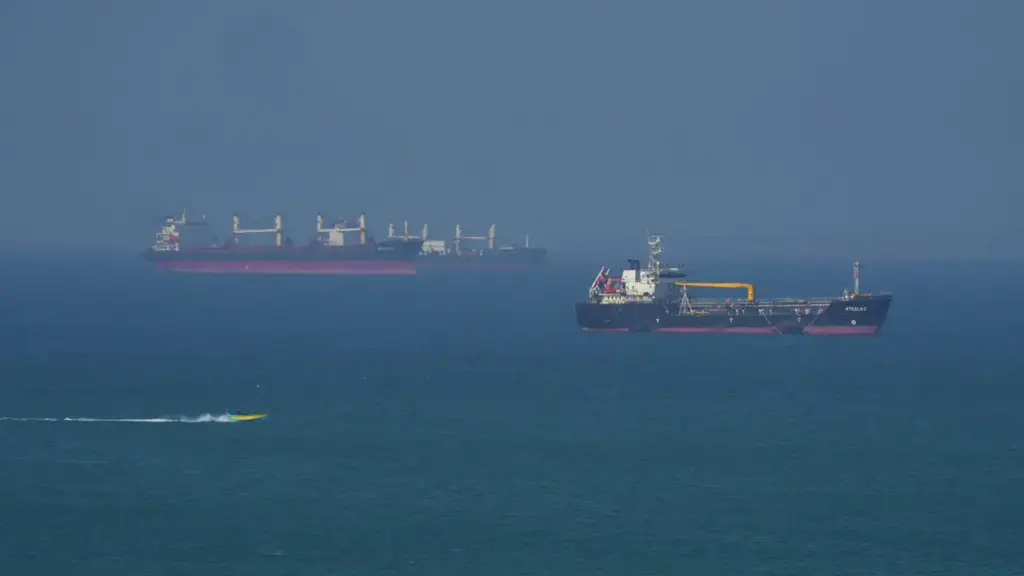
The war in West Asia continues, and the US and Iran are carrying out vigorous attacks, causing a surge in international crude oil prices. The closure of the Strait of Hormuz, which supplies about 20% of the world’s oil needs, had already led to a worldwide oil and gas crisis. Now, there is even more bad news. While Iran has closed the Strait of Hormuz, reports suggest that Iran-backed Houthi rebels have blocked the Bab-el-Mandeb Strait, another vital sea route for the movement of oil and gas. Although this has been done for Saudi Arabia, it has worried the world.
New turn in US-Iran war
A new twist in the ongoing US-Iran war came when Yemen’s Houthi rebels announced a naval blockade against Saudi Arabia, which came into effect immediately. The move raises the possibility of a major disruption to the flow of oil and gas through the strategically important Bab-el-Mandeb Strait. Notably, this new crisis has come amid the ongoing US-Iran war, which has virtually closed the Strait of Hormuz and created turmoil in the global energy market.
Houthi’s threats are a matter of concern.
Houthi’s move against Saudi Arabia is also a matter of concern amid tensions in the Middle East as the closure of the Strait of Hormuz may further increase concerns about global energy supply and maritime trade. Yemen threatened to close the Bab-el-Mandeb Strait last week, and now it has been closed to Saudi Arabia. Simply put, like the Strait of Hormuz, the Bab-el-Mandeb Strait is also a vital choke point, connecting the Red Sea to the Gulf of Aden and the Indian Ocean. The blockade could disrupt global shipping, send crude oil prices skyrocketing and pose a major threat to India. The Bab-el-Mandeb, one of the world’s busiest sea lanes, also serves as the southern entry point of the Suez Canal and carries about 10 to 12 percent of the world’s maritime trade, including a large portion of energy shipments. Recently, several reports citing Iranian media outlet Al-Farah estimated that if the blockade worsens, crude oil prices could reach $200 per barrel.
concern for india
Bab-el-Mandeb is important for other countries as well as India. India imports more than 85 percent of its oil needs and after crossing the Strait of Hormuz, depends on parts of West Asia and North Africa for crude oil and LNG imports. This Yemen-controlled sea route is as important to India as the Strait of Hormuz, as private and state-owned Indian refiners send refined petroleum products to European buyers through this route every day. About 95% of India’s trade is seaborne, so the Bab-el-Mandeb is an important gateway for exports to Europe, North America and North Africa. The Suez Canal and the Bab-el-Mandeb Strait together handle about 35% of India’s total foreign trade. Bulk exports of textiles, clothing, pharmaceuticals, machinery and agricultural products like Basmati rice are routed through this route. About 80% of Indian goods exported to Europe pass through the Red Sea area.