
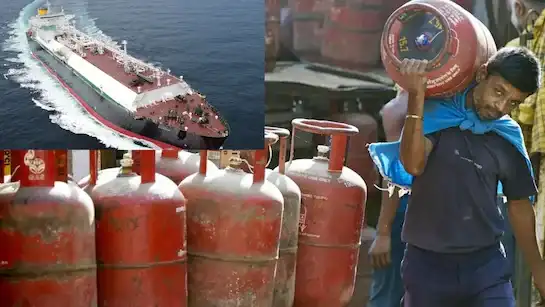
The increasing geopolitical tension in the Middle East has posed a major challenge to India’s energy security. India imports 60% of its LPG needs, a large portion of which passes through unstable routes such as the Strait of Hormuz. If this supply chain is disrupted, its adverse consequences will not be limited to just the kitchens of homes. From hotels and restaurants to automobile plants and pharmaceutical factories, many of India’s largest industries may face severe LPG shortage—they may have to scramble for every drop of LPG—which will have a deep impact on the national economy.
Hardest hit: Hotel and restaurant industry
The most immediate and devastating impact of stopping or reducing the supply of LPG will be on the food service sector of the country. Millions of small and big restaurants, dhabas (roadside eateries) and street vendors across India are completely dependent on commercial LPG cylinders. If the gas supply stops, the stoves in these eateries will become cold. The direct result of this will be that eating out will not only become expensive, but many small outlets will also be on the verge of closure. This will immediately create a crisis of livelihood for lakhs of waiters, cooks and cleaning staff working in this sector.
Chaos in food processing and catering businesses
In the food processing industry, LPG is used extensively to run industrial dryers. Gas is an essential element in the drying processes of grains, spices and fruits. Supply disruptions will lead to shortages of finished goods, causing market prices of packaged foods and ‘ready-to-eat’ food to skyrocket. Additionally, catering businesses—those who serve food at weddings and large events—will find it impossible to fulfill their orders, causing billions in losses for the event industry.
Crisis for ceramic, glass and steel furnaces
Areas like Morbi in Gujarat—a global hub of tiles and ceramics production—are completely dependent on gas. LPG or natural gas is very important to run ceramic and glass furnaces. Restarting these furnaces once they have cooled down is costly and time consuming. Stoppage of production due to gas shortage means shortage of raw materials for the manufacturing sector and cancellation of export orders. Similarly, LPG is also used in steel making and welding works, which can come to a complete halt.
Deep impact on automobile and pharma sector
LPG serves as the main fuel for casting and welding of components in the auto parts manufacturing factories of the country. Due to reduction in gas supply, the production of vehicle parts will slow down, which will affect the entire supply chain of the automobile industry. On the other hand, in the pharma sector—that is, the drug industry—gas is used to heat chemical mixtures and run boilers. Any interruption in the production of life-saving medicines could prove detrimental to the country’s healthcare infrastructure, leading to drug shortages and rising inflation.
Challenges in transport, logistics and real estate
Thousands of LPG-powered auto-rickshaws and taxis plying on the roads will be directly hit by this crisis. As public transport becomes more expensive, the financial burden on the common man will increase. Apart from this, forklift machines used in big warehouses to move goods from one place to another also run on gas. In the real estate sector, LPG heaters are used to heat asphalt during road construction projects. Due to shortage of gas, many government and private infrastructure projects may get stuck midway.
Direct relationship between millions of jobs and inflation
The most worrying aspect of the LPG shortage is the possibility of mass unemployment. Millions of migrant workers working in factories and hotels may lose their jobs. As production decreases and demand remains the same, inflation is sure to increase. From bread and biscuits, prices of everything that uses gas in its production will increase. This crisis will not only cause economic loss to the industries, but can also slow down the country’s GDP growth. In such a situation, the only option left for the government would be to increase domestic production and look for other sources of energy.