
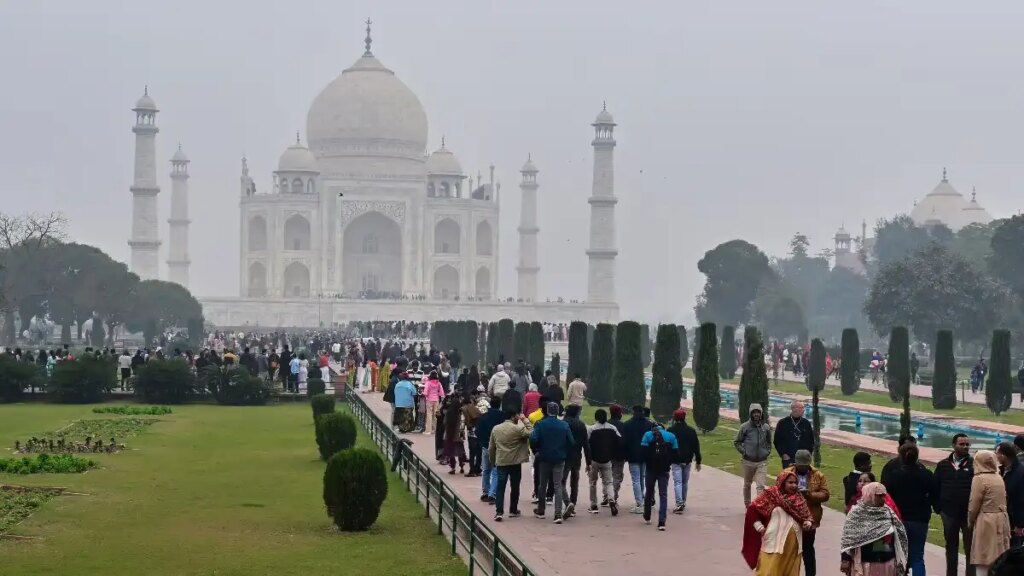
In its latest report, the PHD Chamber of Commerce and Industry (PHDCCI) has said that the ongoing conflict in West Asia has caused significant damage to India’s tourism, air travel, and hotel and restaurant sectors. According to reports, the number of foreign tourist arrivals has declined by 15 to 20 percent, and the aviation sector has suffered a loss of about ₹18,000 crore. Additionally, the report shows that restaurant businesses have been hardest hit by the crisis. It said that around 10 per cent of the restaurants have closed, and there has been a huge decline in the business turnover of this sector to the tune of ₹79,000 crore every month.
Contribution to GDP
In India, the tourism and hospitality industry contributes 8 percent to the national GDP and employs more than 40 million people. By 2025, the sector had made a strong recovery. The number of rooms in branded hotels reached nearly 200,000, and domestic flights were carrying more than 500,000 passengers daily. However, the entire situation changed dramatically after conflict broke out in West Asia in early 2026.
Most impact on air travel
PHDCCI report states that airlines have been worst affected. Many flights were cancelled, some airfields were closed, and flights had to be diverted. As a result, international flights now took 2 to 4 hours longer to reach their destination. Operating costs increased due to higher fuel consumption; Fuel typically accounts for 35 to 40 percent of an airline’s total operating expenses. In addition, disruptions to busy air routes over the Middle East have caused airfare prices to rise.
Foreign tourists apprehensive
The pace of arrival of foreign tourists—especially sightseeing travelers—has now slowed down. According to reports, travelers around the world have now become cautious due to geopolitical tensions. Similarly, Indian travelers are also now preferring nearby places like Thailand, Singapore and Vietnam rather than distant places. Meanwhile, the hotel industry is still running mainly on the basis of domestic tourism. Hotel occupancy rates remain stable; However, rising utility costs—especially electricity and water—and declining foreign tourist arrivals are putting pressure on profits.
A double crisis for the restaurant industry
According to data from the National Restaurant Association of India (NRAI), prices of food items have increased by 10–15 percent. Small and medium-sized restaurant owners are facing a lot of difficulties due to rising costs of imported ingredients, transport and electricity. There has been a decline in the number of foreign customers in big restaurants located in tourist hotspots. Still, domestic tourism and food delivery services—which account for 20–30 percent of revenue for many large restaurants—are providing some much-needed relief.
Domestic tourism is proving to be a lifeline
The report clearly states that domestic tourists are currently the biggest force for this sector. People are increasingly spending money on holidays, leisure hotel stays and eating out.
Main suggestions for government
PHDCCI has put forward several important suggestions to the government, which include reducing dependence on conflict areas, building new air routes, reducing taxes on Aviation Turbine Fuel (ATF) as well as hospitality and food sectors, and providing easy access to cheap loans for small businesses. Additionally, the report emphasizes the need to promote domestic tourism, simplify visa processes, and effectively promote India as a tourist destination in international markets.
The final conclusion of the report is that even though the ongoing conflict in West Asia poses some challenges, it is also a great opportunity for India to strengthen, diversify and make its tourism sector self-reliant. Thanks to strong domestic demand and collaborative efforts between the government and industry, the sector is all set to recover rapidly and achieve strong growth in the future.