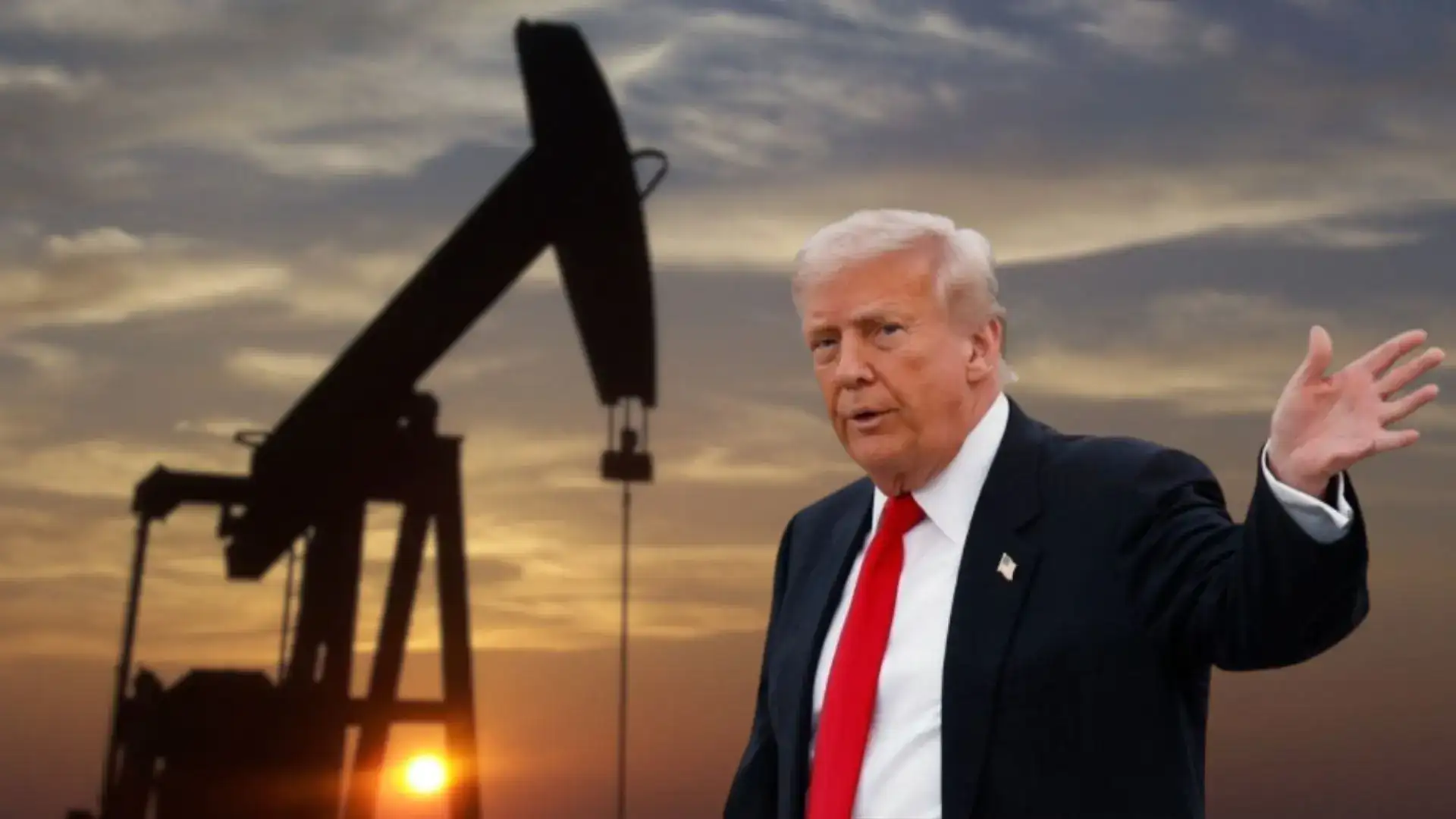
Amidst the increasing tension between America, Israel and Iran, a relief news has emerged for India. In a sudden change of stance, the US administration has granted a temporary waiver on imports of Iranian oil; As a result, Indian refiners are now preparing to resume buying oil from Iran. The decision comes at a time when the energy crisis is deepening and Asian countries are actively looking for alternative sources.
Indian refiners preparing to resume purchases
Three sources in the Indian refining sector indicated that they are planning to buy Iranian oil; However, they are currently awaiting clarity from the US regarding government instructions and specific terms—such as payment mechanisms. India, which has smaller strategic oil reserves than other major Asian countries, also recently increased its bookings of Russian oil following a separate waiver granted by the US.
America’s U-turn and 30-day grace
The US administration has granted a waiver valid for a period of 30 days on the purchase of Iranian oil. According to Scott Besant, this exemption will apply to oil shipments that have been loaded on ships by March 20 and are scheduled for delivery by April 19. Notably, while Donald Trump had imposed tough sanctions on Iran in 2018, the same administration is now offering temporary relief—a move that is widely considered a major policy U-turn.
Increasing activity across Asia
Apart from India, refiners in other parts of Asia are also currently assessing whether they can resume buying Iranian oil. Due to tensions in the Strait of Hormuz and blockage of supply lines, refineries across the region are operating at reduced capacity and have been forced to cut their fuel exports.
Huge oil reserves trapped in the sea
According to available information, approximately 170 million barrels of Iranian crude oil is currently stranded at sea on various ships. Experts believe that this stockpile can provide only temporary relief. The seriousness of this crisis is further heightened given that Asia depends on the Middle East to meet approximately 60 percent of its oil needs.
China emerged as the biggest buyer
After sanctions were imposed in 2018, China emerged as the largest single buyer of Iranian oil. Its independent refiners bought about 1.38 million barrels of oil every day last year, according to the data, as Iranian oil was available at discounted rates due to sanctions.
Challenges remain in procurement
Problems such as uncertainty regarding payment methods and use of old ships may arise in the purchase of Iranian oil. Furthermore, whereas previously many buyers had contracts directly with the National Iranian Oil Company, most oil is now being sold through third-party traders. Experts believe that although it may take some time to understand the rules and banking procedures, companies will still try to take decisions as soon as possible.