
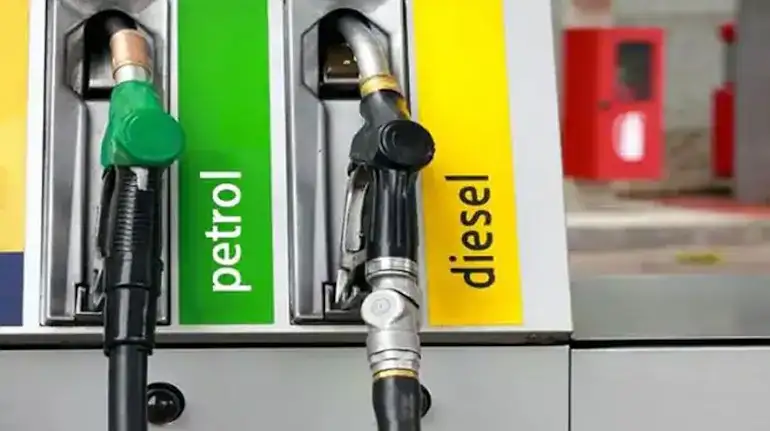
Assembly elections in the country end on Wednesday (April 28, 2026). Due to this, speculations started on social media that the government will increase the prices of petrol and diesel as soon as the elections are over. Meanwhile, the central government has made it clear that there is no plan to increase the prices of petrol and diesel after the assembly elections are over tomorrow. This confidence of the government has come at a time when there is volatility in the global oil market due to the situation in the Middle East.
Sujata Sharma, Joint Secretary, Ministry of Petroleum and Natural Gas, said, “LPG, petrol and diesel are available in sufficient quantities across the country, and their prices are not being increased; hence, please do not panic. We have seen people in some areas panic buying petrol and diesel in excess quantities. We are in constant touch with state governments.”
In Andhra Pradesh, on Monday (April 27, 2026), thousands of drivers flocked to petrol pumps fearing shortage of petrol and diesel. Chief Minister Chandrababu Naidu directed state officials and officials of OMCs (oil marketing companies) to work together to normalize the supply of petrol and diesel.
Sujata Sharma said that priority is being given to supply to ensure stock availability and prevent any kind of shortage. Earlier, Sujata Sharma had reported that oil companies were incurring a loss of around ₹20 per liter on petrol and ₹100 per liter on diesel.
Sharma acknowledged that the ongoing crisis in West Asia has impacted imports of crude oil, LPG and piped gas (PNG); However, the government has taken necessary steps to deal with this situation. He said that 100 percent supply has been ensured for domestic LPG and PNG consumers. Apart from this, the supply of CNG used for transportation is also continuing without any interruption. Although commercial LPG supply was affected to some extent, it has now been restored to about 70 per cent. He said that essential industries—like pharmaceuticals, steel, seeds and agriculture—are also being given priority so that there is no major disruption. To help those in need, the supply of small 5 kg LPG cylinders—which are mainly used by migrant workers—has been almost doubled. This assurance from the government has come at a time when the global oil market continues to fluctuate due to uncertainties in West Asia. Authorities have confirmed that the situation is being continuously monitored to ensure that fuel supplies and prices within the country remain stable.