
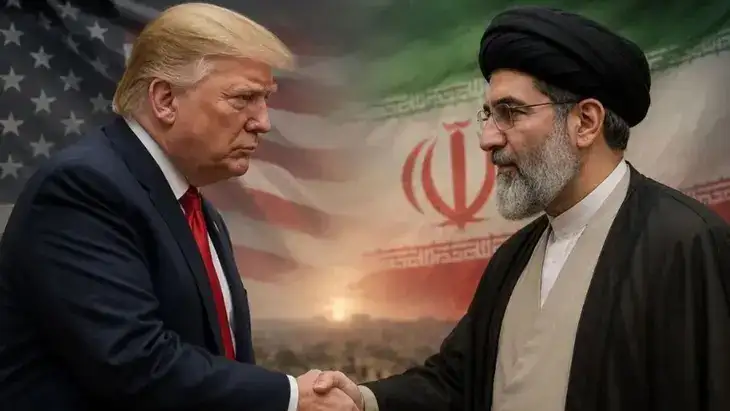
India’s economy is expected to get relief from the announcement of a peace agreement between the US and Iran after more than three months of tension. This development is expected to reduce energy costs, improve trade conditions and increase exports to West Asia. If successfully implemented, the agreement is expected to reduce India’s import bill burden, reduce inflation concerns and create a better environment for economic growth.
This peace agreement will be signed in Geneva on 19 June. America and Iran have agreed to end their 107-day-old tension. The conflict has disrupted global energy supplies, sent crude oil prices above $100 a barrel and raised fears of a larger regional crisis in West Asia.
**Hope for relief from India’s energy dependence**
According to economic think tank GTRI, the agreement could provide relief to India – which depends on West Asia for supplies of crude oil, LPG and LNG – from problems such as rising energy prices, pressure on the rupee and the risk of inflation rising due to the conflict. Citing GTRI founder Ajay Srivastava, PTI reported that the agreement provides immediate economic relief to India as the tensions had hit the country’s dependence on West Asia – the source of about 50 per cent of India’s crude oil imports, 70 per cent of its LPG supplies and 90 per cent of its LNG imports.
During the tensions, disruptions to shipping from the Gulf raised India’s energy import costs, increased inflationary pressures, weakened the rupee and forced refiners to seek supplies from distant markets. Srivastava said the reopening of the Strait of Hormuz will help stabilize global energy markets, ease pressure on oil and gas prices, strengthen the rupee and support India’s economic outlook. Commerce Secretary Rajesh Aggarwal said that if the peace agreement remains durable, many trade-related challenges can be reduced to a great extent.
India’s trade with Gulf countries
India’s major exports to GCC countries include engineering goods, refined petroleum products, food and agricultural products (such as grains, rice, meat and seafood), gems and jewellery, chemicals, pharmaceuticals, textiles and machinery. Major imports from the region include crude oil, LNG, LPG, petrochemicals, fertilizers, plastics, aluminum and other mineral fuels. Oil prices fell, markets rose, rupee strengthened
Financial markets reacted positively to the announcement of US-Iran peace deal; Oil prices fell, stocks recovered and the rupee strengthened. Brent crude prices fell sharply as concerns about supply disruptions from the Strait of Hormuz eased. On June 15, Brent prices fell nearly 5 percent to $83-$84 per barrel – a three-month low – and below the previous trading level of $87 per barrel.
Falling oil prices eased pressure on India’s import bill, leading to a strengthening of the Indian rupee against the US dollar. The rupee gained 0.7 per cent in a single session on Monday, supported by reduction in dollar long positions and expectations of improving external stability for India. It opened at 95.32, touched a high of 94.95 during the day and finally closed at 95.11.