
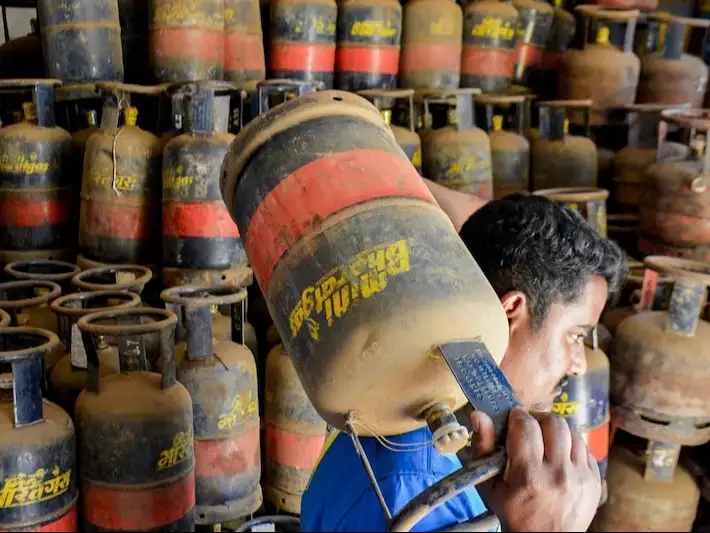
Due to the Iran-US-Israel war, the Strait of Hormuz has been closed, due to which the supply of LPG and natural gas has been significantly affected. In response, India’s Petroleum Ministry has issued a clear priority list for natural gas sharing. In case of gas shortage, it has now been decided which sector will get the most gas.
In which sector there will be no gas cut?
The government has said that domestic users and essential sectors will not face any shortage. Therefore, they will get 100% supply, that is, there will be no cut. These include:
Piped Natural Gas (PNG): Gas supplied directly to homes through pipes, which is used for cooking.
CNG: Compressed Natural Gas for trains, automobiles and public transport.
LPG Production: Gas used in making domestic cooking gas cylinders.
Fuel required to run pipelines: Gas used to transport gas.
These sectors are an important part of the everyday life of common people, hence the government has given them the highest priority. Domestic PNG and CNG will be completely reserved so that people do not face any problem in cooking or driving.
In which sector will there be gas cut?
The central government will reduce the gas share of the industrial sector. They will get less gas allocation based on their past average usage. This means that a company will get a percentage of its gas usage in the last few months.
Tea industry and other manufacturing sectors: Only 80% of average consumption of last six months.
Fertilizer companies: 70% allocation.
Oil Refinery: 65% allocation.
The Hotel Association has already warned that if commercial gas is not available, hotels in cities like Bengaluru will start closing. The government’s focus is on the common man, hence priority has been given to the domestic and essential sectors. The situation is being continuously monitored, and further steps will be taken if necessary.
Why did the central government decide to cut gas distribution?
The decision was taken as India imports a large part of its LPG requirements, mostly from the Middle East through the Strait of Hormuz. Due to the war, imports have stopped, which has already created a shortage of commercial LPG (for hotels and restaurants). To save domestic LPG, the government has ordered refineries to increase production and extended the booking time for domestic cylinders from 21 to 25 days to save stock.
The Petroleum Ministry says that the country’s LPG stock is enough for 40 days. Other imports from countries like US and Australia are being increased. However, if the crisis continues, industries will be affected, such as reduced production in tea gardens and the work of fertilizer companies.