
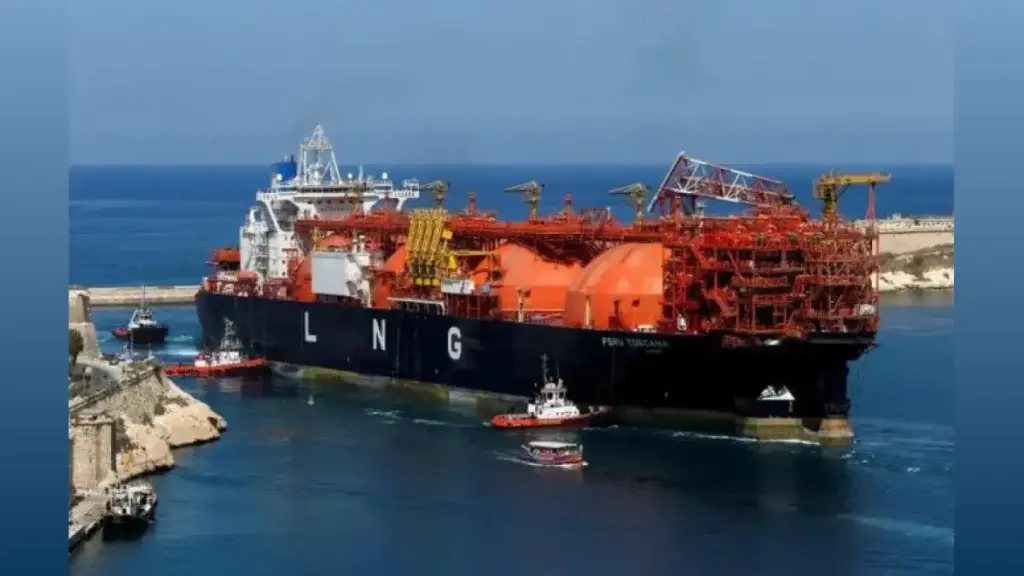
The effect of increasing tension in Gulf countries can now reach your kitchen. The prospect of a blockage in the Strait of Hormuz, one of the world’s most vital energy routes, has sent the global gas market into a tailspin. The blockage in LNG shipment through this sea route is putting pressure on gas prices in the international market, which may increase the prices of LNG in the future.
LNG crisis?
LNG is very important for both PNG used in domestic kitchens and CNG used in vehicles. Therefore, if there is an interruption in LNG supply, it can have a direct impact on the prices of these fuels. The Strait of Hormuz supplies approximately 20 million barrels of crude oil daily, while more than 20 percent of the world’s total LNG trade passes through it. Therefore, any blockage in this narrow sea route can cause a major blow to the global energy market.
According to market experts, increasing tension in West Asia is expected to affect energy supply. Sumit Pokharna, Vice President of Fundamental Research at Kotak Securities, says that tension has increased in the region, with US and Israel on one side and Iran on the other. This situation has increased the risk of damage to the energy infrastructure of the area, which may lead to interruption in energy supply.
What do experts say?
Meanwhile, Iran’s military wing, the Islamic Revolutionary Guard Corps, has warned that ships passing through the Strait of Hormuz could be targeted. This has further increased the risk of disruption in energy supply through this important corridor. Although experts believe that this route is not expected to remain closed for long, but even for a few weeks can have a major impact on the global energy market.
As far as the impact on India is concerned, about 50 to 55 percent of the country’s crude oil and LNG is supplied through this route. Therefore, if this transit route remains disrupted for a long time, it could have a serious impact on India’s energy security. India is heavily dependent on Gulf countries for LNG. According to S&P Global data, Qatar and UAE together account for about 59 percent of India’s total LNG supply.