
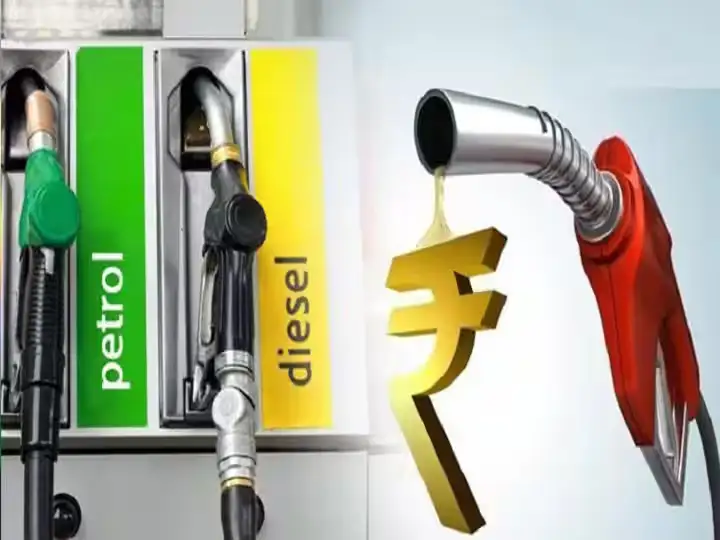
Amidst the fluctuations in the prices of petrol and diesel, the government has provided great relief to the general public. Today, on March 27, the Government of India has announced a huge cut in the excise duty on petrol and diesel. The government has reduced the additional excise duty on petrol to ₹3 per liter from the earlier ₹13 per litre.
At the same time, the duty of ₹ 10 already applicable on diesel has been completely abolished. The move comes amid growing pressure due to international crude oil prices crossing $100 per barrel and rising tensions in the Middle East. Despite the cut in cess, there is no immediate change in the prices of petrol and diesel in different states of the country today. The government has made this cut specifically to ensure that oil companies do not impose any additional burden on the public by increasing prices. Meanwhile, the Central Government has appealed to all the states to reduce their respective VAT rates, so that the public can get the direct benefit of the ₹10 cut in excise duty.
City/State Petrol (per litre) Diesel (per litre) Delhi Rs 94.77 Rs 87.67 Maharashtra Rs 103.54 Rs 90.03 Uttar Pradesh Rs 94.65 Rs 87.76 Karnataka Rs 102.92 Rs 90.99 West Bengal Rs 105.45 Rs 92.02 Rajasthan Rs 104.88 Rs 90.36 Himachal Pradesh 95.27 Rs 87.31 Haryana Rs 95.36 Rs 88.40 Guwahati Rs 93.23 Rs 89.46 Dehradun Rs 93.17 Rs 88.01 Port Blair 82.46 Rs 78.05 Andhra Pradesh Rs 109.53 Rs 95.70
These could be the reasons why prices remained stable today even after the cut in cess:
International crude oil prices have already crossed the $100 per barrel level. There has been a huge rise in the prices of crude oil due to the ongoing tension in the Middle East and reduction in supply from OPEC countries.
Indian oil companies—such as IOC, BPCL and HPCL—had long refrained from raising fuel prices, despite rising international crude oil rates. As a result, he was suffering financial losses. The government has introduced tax cuts to help offset these losses, ensuring that these companies do not have to raise prices for consumers.
While government companies have kept their prices stable, private companies—like Nayara Energy—have increased petrol prices by ₹5.30 per liter and diesel by ₹3 per liter in an effort to protect their profit margins.
How much relief can be expected from the cess cut?
If oil companies decide to pass on the full benefit of the ₹10 per liter tax cut made by the central government to their customers, then petrol and diesel prices could potentially come down by ₹10 to ₹12 per litre. However, state governments levy VAT on the final price of petrol and diesel. If the base price is reduced by ₹10, the applicable VAT will also be reduced. This is expected to provide relief of ₹10-12.