
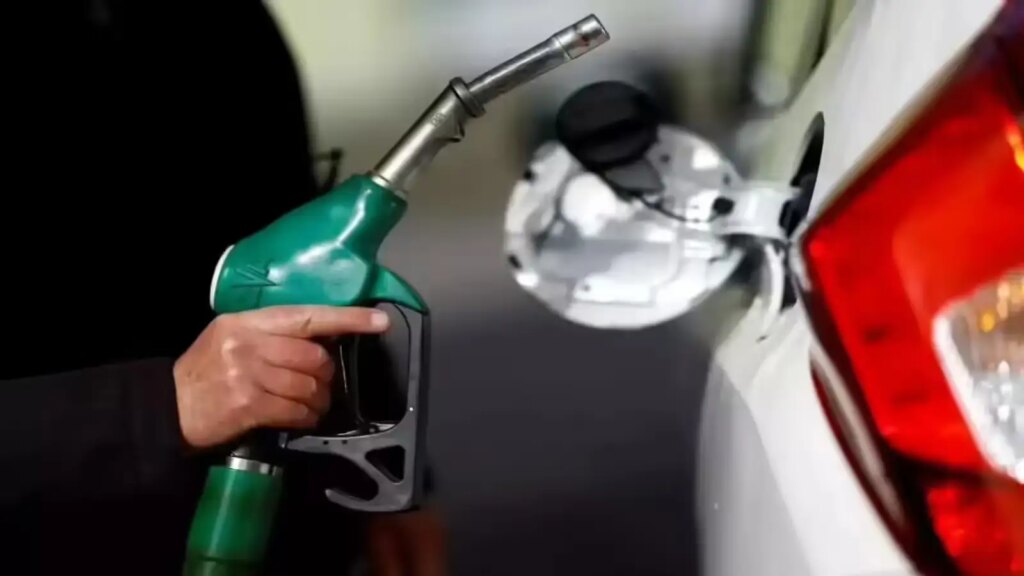
The Central Government has taken a big decision regarding the supply of petrol and diesel. The Ministry of Petroleum and Natural Gas has imposed some restrictions on purchasing fuel from petrol pumps. Under the new order, which comes into effect immediately, factories and big companies will no longer be able to purchase fuel from petrol pumps and no more than 200 liters of diesel will be supplied to a customer in a day. As per government order, industrial, commercial and institutional customers are prohibited from purchasing petrol or diesel from petrol pumps; They will have to purchase the fuel they require only from their specific customer pumps. In fact, the option of using retail petrol pumps for large scale buyers has been closed.
**Rules for petrol pumps**
Clear rules have also been set for petrol pumps. Pumps will now dispense diesel only in vehicle fuel tanks or in containers approved by PESO (Petroleum and Explosives Safety Organisation). No customer or vehicle will get more than 200 liters of diesel in a day and reselling this diesel is prohibited. The responsibility of enforcing these rules has been given to oil companies and pump dealers. These restrictions are for a period of time; Any direction issued under this order will initially remain in force for a maximum of 90 days. The government can extend this deadline if necessary. Additionally, the Government reserves the right to exempt certain customers, areas or transactions from these rules.
**Why did the government take this step?**
There are two main reasons behind this decision. The first reason is related to the global situation. Geopolitical tensions in some areas are adversely affecting international petroleum supply chains, shipping and availability. As a result, the Government believes it is important to conserve the existing supply and use it wisely. The second reason is local. The government has observed an unusual increase in the sale of petrol and diesel at pumps in some areas. In fact, due to the difference in retail and wholesale rates, factories and large commercial customers started purchasing fuel directly from retail petrol pumps. Due to this, the stock kept for the general public started being used elsewhere, creating the risk of shortage at some places. The government feared that this could lead to hoarding and black marketing. Therefore, this order has been issued to ensure continuous supply of fuel to the common consumers.
**Consequences for breaking the rules**
Violation of this order will attract penalty under the ‘Essential Commodities Act, 1955’ and other applicable laws. To enforce this, gazetted officers of the Central or State Governments, police officers of the rank of DSP or above and ‘Sales Officer’ rank officers of oil companies have been empowered to conduct search and seizure. State governments have been directed to take strict action against hoarding, black marketing and diversion (misuse) of fuel.
**Impact on common man**
If you refuel your car or bike, nothing has changed for you; There is no restriction on general customers. The daily limit of 200 liters makes no sense for normal vehicles as their fuel tanks are much smaller than this capacity. The order is primarily to stop bulk buyers who were taking fuel in large quantities from the pump by taking advantage of low rates. The aim of the government is to ensure that the common man continues to get fuel at the pump and to prevent any kind of shortage.