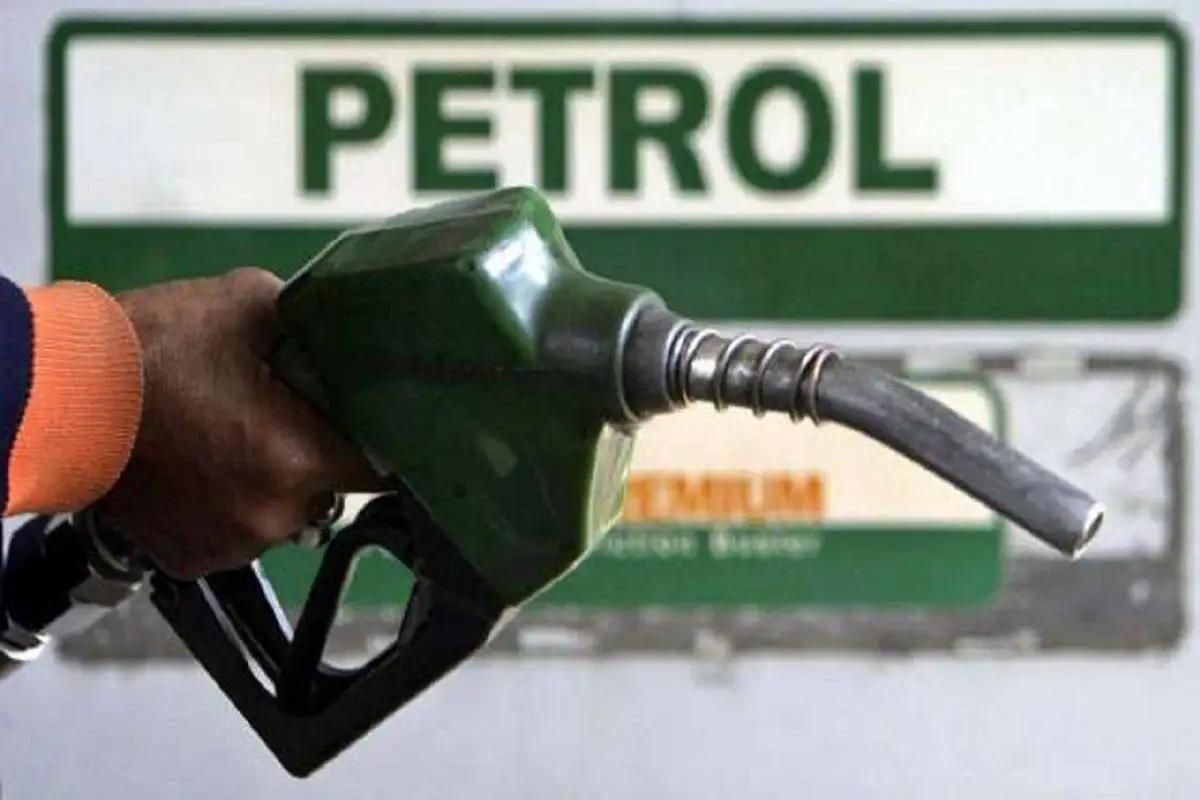
In the last 15 days, oil prices in South Asia have seen huge volatility. While prices have increased rapidly in some places, governments of some countries have reduced prices to provide relief to their citizens. In India, while the prices of petrol and diesel have been continuously increasing, the situation has been different in Pakistan and some other countries. The impact of tensions in the Middle East and rising crude oil prices has been felt not only in India but also in all its neighboring countries. The only difference is that every country has adopted a different approach to suit its specific economic circumstances. Here, you can get a brief overview of the current situation in your country as well as its neighboring countries.
**What has changed in India?**
In the last 15 days, petrol and diesel prices in India have increased by about ₹7 to ₹8 per litre. According to media reports, the prices were increased four times in a span of just 10 to 12 days, which has badly affected the budget of common citizens. In many cities, petrol prices have crossed ₹100 to ₹110, while diesel is also becoming costlier. As a result, prices of transportation and daily necessities have also increased.
**Relief in Pakistan**
The situation in Pakistan has seen a lot of ups and downs. Some time ago, there was a huge increase in the prices of petrol and diesel in the country – by more than ₹50 (a huge increase in Pakistani Rupees), due to which the prices reached around PKR 320 per litre. However, in view of international pressure and domestic inflation trends, the government has since provided some relief. Initially, prices rose sharply, but later declined marginally. Nevertheless, prices still remain at high levels.
**High prices in Bangladesh**
In Bangladesh, there has been no major movement in oil prices in the last 15 days; However, prices were already at high levels. Due to limited fuel subsidies in the country, prices remain expensive for the common man, even though they are relatively stable.
**price hike in nepal**
Oil prices in Nepal are strongly influenced by the country’s heavy dependence on imports compared to India. In the last 15 days, prices have increased slightly further, impacting both transportation costs and daily living expenses. The government is trying to control the rising prices.
**Reforms in Sri Lanka**
In Sri Lanka – which has recently been facing an economic crisis – the oil market is now gradually stabilising. There has been no major change in prices. Following IMF support, efforts are underway to bring the situation under control; However, prices are still above normal levels.
**No unnecessary burden in China**
In China, oil prices remain under government control; As a result, huge price fluctuations are rarely seen. Very little change has been recorded in prices in the last 15 days. The government maintains stability through a combination of subsidies and regulatory controls, so that there is no sudden financial burden on the general public.
**India vs its neighboring countries: What’s the difference?**
A closer look reveals that India has been the country where prices have increased the fastest in recent times. The main reasons for this trend include rising crude oil prices, weakening rupee, current tax structure and cost adjustments made by oil companies. In contrast, countries like Pakistan and Sri Lanka, mainly due to instability in their economies, sometimes relax and sometimes suddenly increase prices. The trends seen in the last 15 days clearly show that oil prices in South Asia have become completely dependent on the global market. While the continuous rise in prices in India has affected the economic condition of the common man, other countries are experiencing a mixed experience of relief and instability.