
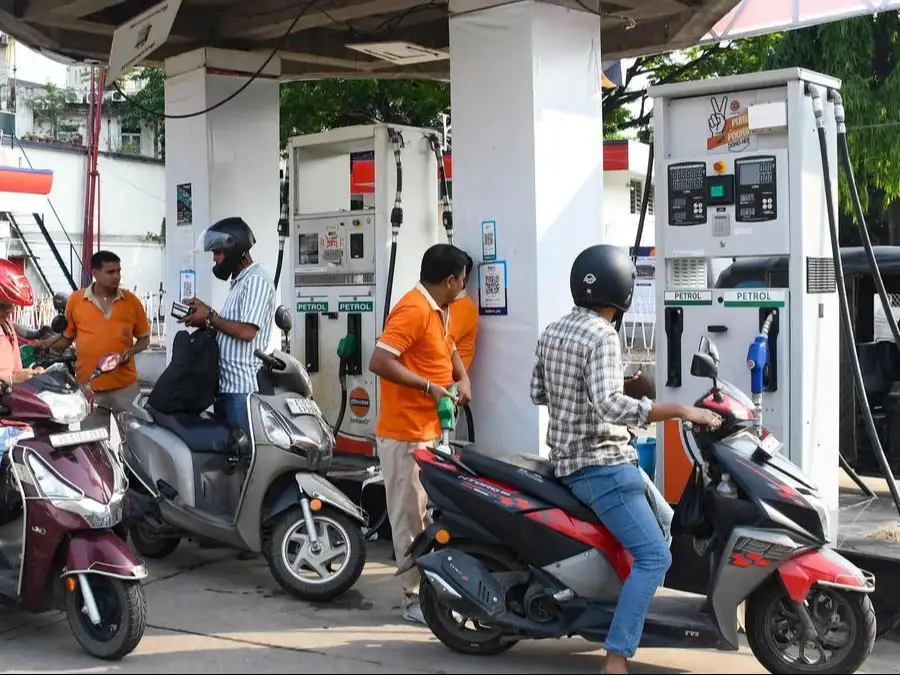
The Central Government has taken a big step to promote clean energy and alternative fuels in the country. The government has decided not to impose excise duty on ethanol blended petrol from 22 percent to 30 percent. However, no tax relief has been given on 20 percent ethanol blended petrol (E20). The objective of this decision is said to be to reduce the dependence on crude oil imports in the country and to encourage clean energy sources. India imports about 87 percent of its crude oil needs from abroad, which puts a huge pressure on foreign exchange reserves.
The government has been pursuing an ethanol blending program for a long time to reduce the consumption of petroleum products and promote domestically available bio-fuels. According to experts, ethanol is prepared from sugarcane, corn and other agricultural products, which is not only better for the environment but also helps in increasing the income of farmers. Under the new decision, removal of excise duty on ethanol blended petrol from 22 to 30 percent will encourage oil companies to produce and use such fuel. It is expected that companies will move towards increasing the amount of ethanol in petrol, which will reduce dependence on imported crude oil.
The government believes that this step will save the country’s huge foreign exchange expenditure and will also reduce environmental pollution. Ethanol blended fuel helps in reducing carbon emissions, due to which it is being considered an important initiative towards green energy. However, there is a discussion among experts about not giving any tax exemption on E20 petrol. Some believe that this may impact the existing plan of 20 percent ethanol blending on a large scale. At present, the government’s focus is on promoting energy self-reliance and clean fuel, and this decision is considered an important step in that direction.