
The oldest joke in Indian aviation still rings true today: ‘If you want to make a little fortune quickly, invest a lot of money and start an airline.’ There is a reason behind this saying. Since the 1991 liberalization, at least two dozen airlines have closed down in India. From East-West to GoFirst, every big dream ended in debt, court cases and, ultimately, grounded aircraft. Despite being the world’s fastest growing aviation market, India remains the most dangerous graveyard for airlines.
First shock of the 1990s
Before 1991, the skies were ruled by ‘government’ airlines. Air India operated international flights, and Indian Airlines controlled domestic routes. Private players were not even allowed to enter the market. Then came the economic crisis of 1991 and the era of liberalization, and as new doors opened, there was a flood of new airlines. In 1992, East-West Airlines became the country’s first private scheduled airline. This was soon followed by Jet, Damania, Modiluft and NEPC. They were all set to challenge Indian Airlines, offering better service, new aircraft and lower fares… but most of them disappeared before the decade was out.
The faster the flight… the faster the fall
East-West was the first to fly and also the first to crash. This company of Kerala contractor Thakiuddin Wahid gave cheaper fares than Indian Airlines. outcome? By 1995, banks stopped making loans, the fleet was grounded, and the company went bankrupt. Wahid was shot dead on November 13, 1995, and suspicions of underworld involvement remain to this day. By August 1996, the airline closed down completely. Damania, on the other hand, took a different approach. They offered premium service on shorter routes such as Bombay-Goa and Bombay-Pune, with hot food and more legroom, but the fares could not cover the costs. He could not last even four years. Meanwhile, NEPC and Modiluft were also drastically reducing fares, and Damania was losing money every month. In 1997, it sold both its aircraft to Sahara and quietly closed down. Sahara: Greatest Ambition, Biggest Fall
Air Sahara (later just Sahara), launched in 1993, was the most ambitious, or perhaps the most daring, airline of that era. It was offering Mumbai-Delhi one-way fare for just Rs 2,999, while Indian Airlines was charging more than Rs 6,000. This created a stir in the market. It took four brand new Boeing 737-400s on 100% lease. Then came the East Asian financial crisis of 1997–98. The rupee fell against the dollar overnight. Lease rent increased by 20%. The loss increased every month. To survive, Sahara sold a 49% stake to Jet Airways in 1998, and then sold the entire airline in 2007, which was renamed JetLite. And in 2019, when Jet Airways collapsed, JetLite also went under. In this way, Sahara Airlines has the record of being eliminated twice.
Modiluft: Pure corporate drama and death overnight
In 1993, the Modi family of Modi Rubber and German giant Lufthansa together launched the airline ‘Modiluft’. Not even three years had passed when there was a huge fight between the two regarding the use of funds. In 1996, Lufthansa recalled all of its aircraft overnight. Then, the very next week, the DGCA suspended his license. East-West, Damania, Modiluft, Sahara – they all followed the same formula for their finishes. Airlines were 100% leased, equity was almost zero, and when the rupee depreciated, the payments in dollars increased exponentially. Fierce competition over fares led to bloodshed, and the greed or hubris of promoters ultimately led to their downfall. As soon as the cash flow stopped, the lessors came and confiscated the aircraft. Amidst all this, only Jet Airways survived for some time. It built a premium service and a strong brand, and for a long time challenged the graveyard rules of the industry.
Low-cost boom of the 2000s
In 2003, Air Deccan made air travel even cheaper than train travel. The slogan “Chappal weare wale bhi udenge” became a hit. SpiceJet and IndiGo also did the same. Deccan was bought by Kingfisher, which Vijay Mallya plunged into luxury and eventually went bankrupt in 2012 with a debt of ₹8,000 crore. Meanwhile, regional companies like Paramount, Air Costa, Air Pegasus, Air Odisha and Deccan 360 have also come and gone. The remaining Jet Airways from the 1990s closed down in 2019. GoFirst declared bankruptcy in 2023.
The net that still hasn’t been broken
Experts reiterate the same point: “The structural network remains the same.” 40-45% of the expenditure of Indian Airlines is spent on ATF (Jet Fuel), which is not seen anywhere else in the world. Additionally, there is so much competition on fares that it’s a matter of “keep fares low or passengers will leave”. Meanwhile, fuel, lease and maintenance costs are mostly in dollars. Therefore, when the rupee weakens, the entire model fails. Debts pile up, assets are frozen, the game is over, and the loan sharks seize the aircraft.
People who are still breathing…
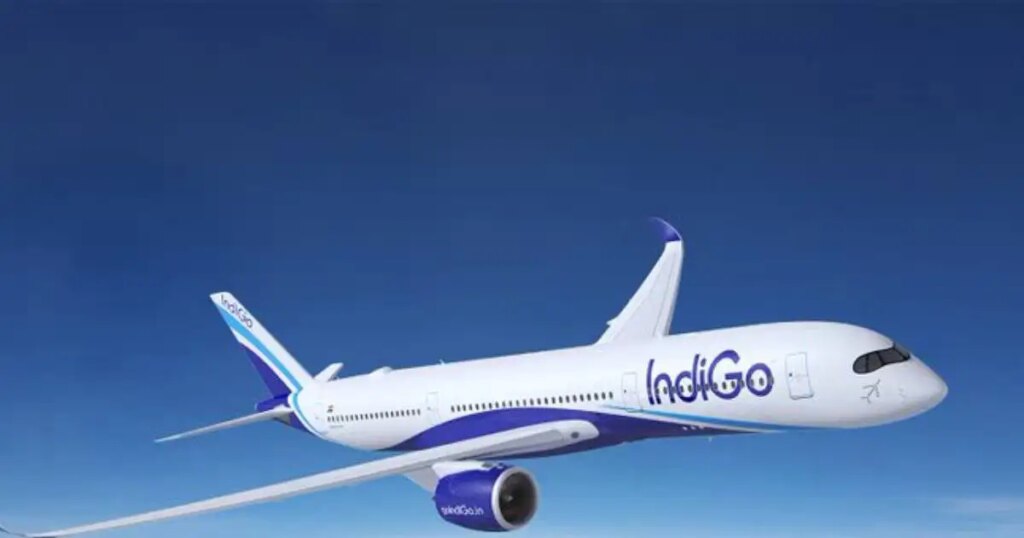
Indigo is still standing strong. No frills, zero debt and one type of aircraft – this is how IndiGo survives. But new FDTL regulations and rising expenses are raising questions about its old strengths. Tata has given a new lease of life to Air India, but there is still a long way to go. SpiceJet is faltering. Akasa is playing a new trick. Therefore, the Indian skies, no matter how bright they may look, are proving to be equally dangerous for airline companies. Those who do not learn from history are forced to repeat it. That’s why aviation’s oldest joke still rings true.