
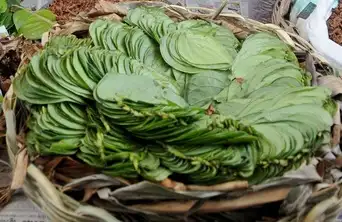
New Delhi, December 22 (IANS). Betel leaves have had special importance in India since ancient times. It has been in use since 400 BC. Both Ayurveda and modern research confirm the medicinal properties of betel leaves.
Ayurvedic texts such as Charaka Samhita, Sushruta Samhita and Kashyapa Bhojankalpa mention the practice of chewing betel leaves after meals, which became prevalent between 75 AD and 300 AD. At the same time, in the 13th century, the European traveler Marco Polo had also mentioned about chewing betel among the kings in India.
According to the American National Library of Medicine, betel leaves have antioxidant, anti-inflammatory, anti-diabetic, anti-ulcer, liver protective and anti-infection properties. These maintain oral hygiene and are helpful in preventing many diseases. Nutrients like calcium, vitamin C, riboflavin, carotene, niacin and chlorophyll are found in betel leaves. Betel leaves also have antiseptic properties, which protect the body from various infections.
Ayurvedacharya explains that chewing fresh betel leaf on an empty stomach in the morning strengthens the digestive system. Problems like indigestion, constipation, belching and gas go away. It provides relief from cough and cold and also helps in healing wounds. Drinking betel leaf decoction also provides many benefits, like relief from cold and cough and increasing immunity.
Betel leaves protect the body from infections, improve digestion, and strengthen overall health. However, it is important to keep some things in mind. While eating paan, it is beneficial to add gulkand, fennel, seeds or dry fruits instead of lime. Experts advise not to eat more than 2-3 betel leaves a day. While fresh betel leaf is beneficial, stale betel leaf can be harmful because bacteria can grow in it, which can cause stomach upset and other health problems.
–IANS
MT/DKP