
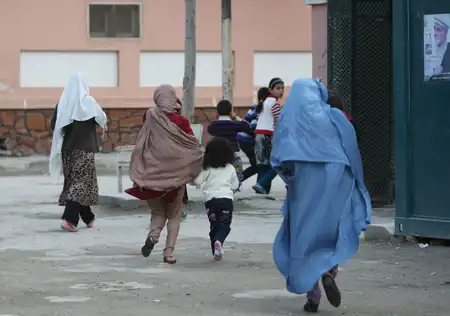
Kabul, May 6 (IANS). One mother is dying every hour in Afghanistan from preventable complications, the World Health Organization (WHO) has said. This makes it clear that the health system there is still not able to protect women properly during pregnancy and delivery.
In a statement issued on the occasion of ‘International Day of Midwife’, WHO said that the maternal mortality rate in Afghanistan is one of the highest in the world. 521 deaths for every 1 lakh live births. Access to basic health services has improved somewhat over the past 20 years, but the problem remains significant.
Many of these deaths are caused by causes that are treatable or preventable, such as excessive bleeding, high blood pressure, infection, and obstructed labor. Even those women who survive these difficulties often have to face serious health problems for a long time.
According to WHO, there has been some improvement in maternal and child health since 2000. The number of women taking check-up (antenatal care) during pregnancy has increased from 31 percent to 76 percent. At the same time, deliveries taking place under the supervision of trained health workers have increased from 24 percent to 67 percent. The child mortality rate has also declined from 129 per 1,000 births in 2000 to 56 in 2023. But the danger is still greater for women living in rural and remote areas.
WHO said that ‘obstetric fistula’ is also a serious problem, which occurs due to obstruction in delivery for a long time. Due to this, women have to face many health problems and social embarrassment.
This problem often remains undetected because many women do not get access to proper treatment or do not know that its treatment is possible. To improve this situation, WHO is working with the Islamic Development Bank to increase maternal and child health services.
Here, UNICEF has also warned that if the situation remains like this, then by 2030 there may be a reduction of about 20,000 female teachers and 5,400 health workers in Afghanistan. The reason for this is the restrictions on girls’ education and women’s work.
According to a UNICEF report, between 2023 and 2025, the share of women in government jobs has decreased from 21 percent to 17.7 percent.
The organization said that if the number of trained female employees in schools and hospitals continues to decrease, it will have a negative impact on children’s education, health and their future.
The report also said that the country is suffering an economic loss of about $84 million every year due to restrictions on girls and women’s education and work, and this loss will increase over time.
According to UNICEF, if women are removed from essential sectors like education and health services, it will directly impact children. Fewer girls will go to school and women and children will get less health services.
Especially in the health sector, its impact will be more serious, because in many places in the society, women are not comfortable getting treatment from male doctors. In such a situation, the shortage of female health workers will make the care of mothers, newborns and children even more difficult.
–IANS
AY/DKP