
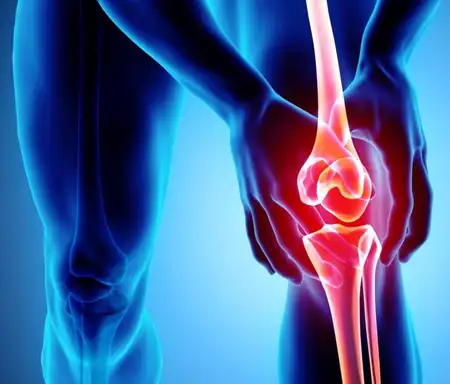
New Delhi, October 11 (IANS). Pain in knees and joints is a very common problem after Chikungunya fever. This is called post chikungunya arthritis. Chikungunya is a viral fever, which is spread by the bite of the Aedes mosquito. In Ayurveda it has been linked to typhus or common fever.
The cause of this pain is virus. Chikungunya virus causes swelling in the joints. This inflammation gradually causes pain, stiffness and mild swelling in the joints. This problem may persist for a few weeks to months. Common symptoms include pain in the knees, ankles, elbows and wrists, joint stiffness when waking up in the morning, mild swelling, weakness and fatigue.
According to Ayurveda, this problem is similar to joint pain, in which pain occurs due to increase in Vata and Aama dosha. Many herbal remedies have been suggested in Ayurveda to reduce it, such as Ashwagandha strengthens joints, Guggulu and Nirgundi reduce swelling and pain, while turmeric is a natural anti-inflammatory.
Among the home remedies, drinking turmeric milk at night, taking more lukewarm water, avoiding cold things and adding turmeric in sesame or mustard oil and doing light massage are beneficial. Apart from this, applying lukewarm water also reduces joint pain.
Yoga and light exercise activities also help. Like Tadasana, Gomukhasana, Trikonasana strengthen the joints and stretching reduces pain and stiffness. Pranayama like Anulom-Vilom and Bhramari maintain energy in the body.
Light and easy to digest food should be taken in the diet. Include ginger, garlic, turmeric and fenugreek seeds daily. Do not eat non-vegetarian, fast food, cold and oily things.
In Ayurveda, Basti Karma, Abhyanga (oil massage) and Swedan (steam therapy) are said to be very beneficial in such pain. Even in modern medicine, it is considered supportive therapy. With proper care and regular measures, joint pain after chikungunya can be reduced to a great extent.
–IANS
PIM/AS