
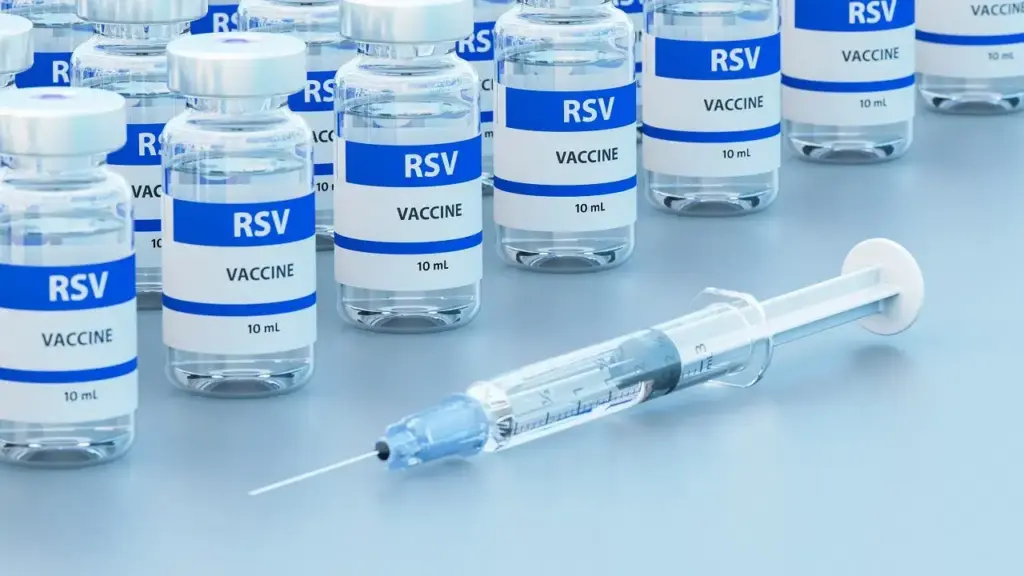
Respiratory syncytial virus (RSV) remains a serious threat to young children worldwide. It is estimated that there are approximately 33 million new infections each year in children under 5 years of age, resulting in approximately 3.6 million hospitalizations and approximately 100,000 deaths. 97% of these deaths occur in low- and middle-income countries. In view of its increasing threat, the World Health Organization (WHO) first recommended two main ways to prevent RSV: vaccine for pregnant women and monoclonal antibody injection for newborns. Given that RSV kills 100,000 children every year, let’s take a look at when WHO recommends vaccination.
What is RSV and why is it dangerous?
RSV is a rapidly spreading virus that infects the lungs and respiratory tract. It spreads through coughing, sneezing or contact. Although it may seem like the common cold in adults, it can cause serious illnesses like bronchiolitis and pneumonia in babies under 6 months of age. Initial symptoms include runny nose, mild fever, cough and difficulty feeding. If the child is breathing rapidly or with difficulty, wheezing, or has blue lips, it is important to consult a doctor immediately.
According to WHO, when should the vaccine be administered?
According to WHO, pregnant women can get RSV vaccine in or after the 28th week of pregnancy. This vaccine produces antibodies in the mother’s body which reach the baby through the placenta. It protects against RSV in the first few months after birth. In the United States, this vaccine is approved for use between 32 and 36 weeks. Research has also found that it can reduce the risk of infection by 80 percent in the first 90 days after birth and provides significant protection for up to 6 months.
What are the options for new born babies?
A monoclonal antibody injection called Nirsevimab is available for newborn babies. It can be applied immediately after birth or before RSV season. One dose provides protection for about five months, which is especially beneficial in areas where RSV outbreaks are seasonal. Currently, treatment of RCV is mainly limited to supportive care. In severe cases, oxygen or other help may be required in the hospital. That is why experts consider prevention the most effective method.
What should parents do to prevent RSV?
Pregnant women should consult their doctor about the RCV vaccine.
Get information about injections for new born babies.
Keep children away from crowds and away from sick people.
Take care of good hygiene and hand washing.
If serious symptoms appear, consult a doctor immediately.