
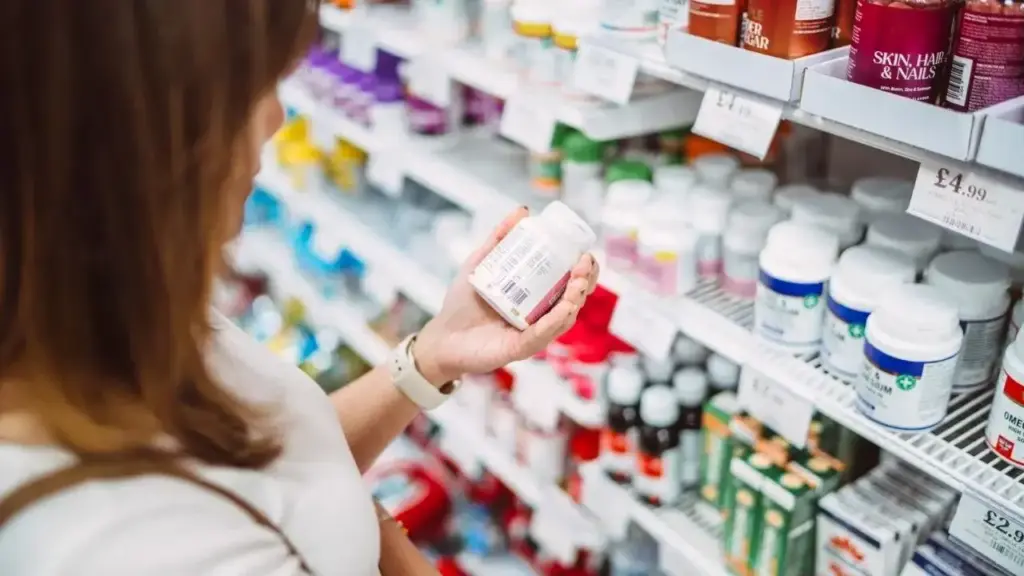
From headache to muscle ache… nowadays, for every minor health problem we instantly reach for a tablet, capsule or syrup. But what if these same drugs—designed to provide relief from minor to serious health problems—turn out to be the enemy of your health? In today’s market, it is not just food and beverages that are being adulterated; In fact, fake medicines are also being sold. While governments take steps to address this problem—and there are frequent cases of such cases—it is still important that we, as consumers, remain vigilant. To ensure that medicines remain friends of your health, it is important to keep certain things in mind while purchasing them.
If a medication causes side effects, the condition can often be serious—so severe that it can be life-threatening. In fact, each tablet or syrup is made according to a specific, predetermined formula. These formulas contain a precise mixture of different salts; It is precisely at this stage that adulteration occurs in counterfeit medicines. Therefore, while purchasing medicines, it is very important to ensure whether the tablet or capsule you are purchasing is genuine or counterfeit.
**Pay attention to the spelling of the medicine name**
To find out whether a medicine is genuine or fake, you should carefully look at its packaging. If you notice any mistake in the spelling of the name of the medicine printed on the package, it may be a counterfeit product. Apart from this, you should always check the batch number, manufacturing date and expiry date.
**See your doctor after purchasing the medicine**
If you have purchased any medicine on the basis of doctor’s prescription, then get it verified from the doctor once again after purchasing it from the medical store. By doing this, you will not only avoid consuming fake medicines, but will also be safe from possible harm, because sometimes medical store owners unknowingly give the wrong medicine.
**What is the company logo?**
When you go to the market to buy medicines, always check the name of the manufacturing company on the packaging, no matter which brand of medicine you are choosing. Every pharmaceutical company has its own special logo. You can also cross-check these logos online. Additionally, if you notice a spelling mistake in the company name—such as an extra or missing letter—the drug may be counterfeit.
**Scan QR Code**
The government has made it mandatory to put QR codes on some of the best-selling medicines. The main objective of this initiative is to stop the circulation of counterfeit medicines and increase transparency. If you are buying any medicine, be sure to scan the QR code printed on its packaging. When you scan it with your smartphone’s scanner, complete information from the name of the medicine to its batch number will appear on the screen.
**Keep these things in mind**
Medicines should always be purchased from a certified pharmacy. Make sure the shop clearly displays its operating license. Apart from this, always check the quality of the medicine. If after opening the package you feel that the capsules are sticky or the tablets have broken into powder, do not take them at all. Make sure that the packaging seal is intact and not broken. Similarly, when purchasing syrup, check the lid to ensure that it is sealed properly. Finally, do not buy any medicine whose expiry date is coming within a few days.