
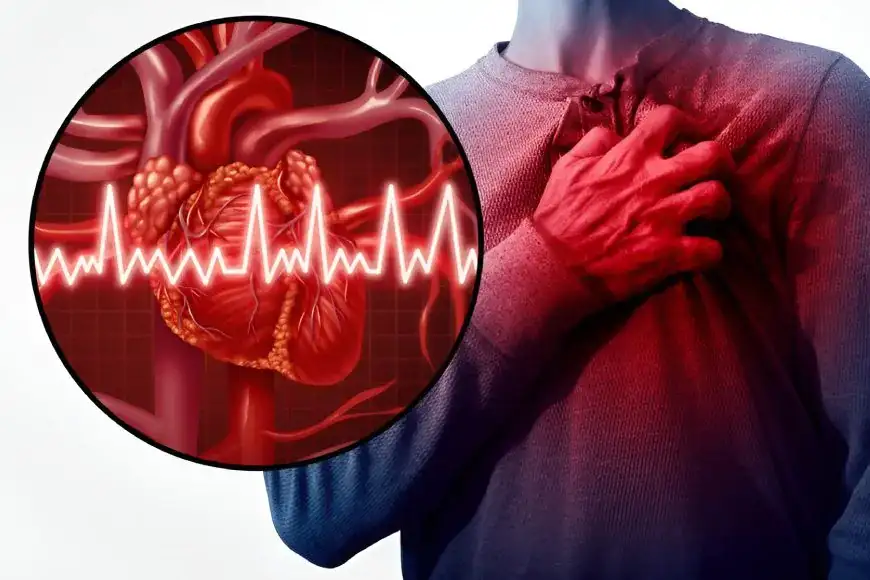
If you’re often worried about blockage in your arteries, the good news is that you can spot the early symptoms with some simple home checkups. Although plaque build-up in your arteries can’t be seen directly at home, your body gives off certain signals that may indicate danger.
regular blood pressure check
The first and easiest way is to check your blood pressure regularly. The automatic upper arm digital blood pressure monitor is considered the most reliable. Before measuring your blood pressure, sit quietly for at least five minutes, with your feet flat on the floor and your back supported. Then take readings twice, morning and night. Do this for a week and then average all the readings. If your blood pressure repeatedly exceeds normal, it may be a sign that there is pressure on your arteries. Generally, a blood pressure of around 120/80 mmHg is considered normal.
ankle brachial index
Another important test is the ankle brachial index. According to the health information website MayoClinic, this test compares blood pressure in the legs and arms and may be especially helpful in identifying the risk of peripheral artery disease. This requires either two cuffs or can be measured one by one using the same machine. If the ankle-to-arm pressure ratio is less than 0.90, it may indicate narrowing of the arteries in the legs and an increased risk of heart disease. This method is considered reliable and helps in early screening.
Lipid Profile Test
The third important step is lipid profile test. Many labs now offer sample collection from home. This test measures total cholesterol, LDL, HDL, and triglycerides. In particular, high LDL cholesterol increases the risk of plaque formation in the arteries. A 12-hour fast is usually required before the test, unless your doctor recommends otherwise. The report is available online, making it easy to track.
difficulty climbing stairs
Climb four floors of stairs at the same speed. If you feel chest pressure, difficulty breathing, pain in the jaw or arms, or dizziness, stop immediately. Also note the timing of symptoms and how they worsen. These symptoms, which occur during exertion, may indicate the risk of heart disease.