
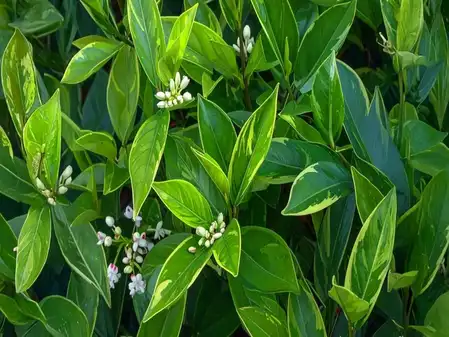
New Delhi, January 12 (IANS). Many herbs are mentioned in Ayurveda, which according to their properties help in getting rid of diseases. The roots of some herbs and the leaves of others are full of properties. One such leafy plant is Kalmegh, whose leaves are beneficial for every part of the body.
It provides relief from many problems including common fever, increasing immunity, stomach gas, intestinal worms and constipation.
Kalmegh has been termed as Sanjeevani in Ayurveda, which provides relief from not just one but many diseases. Kalmegh leaves are bitter and astringent in taste, hence it is also known as ‘Bitter King’. This plant is found in North India and Bengal region. Its leaves contain high amount of andrographolide and this is the reason why this plant is rich in many properties.
Blood is the root of all diseases. If the blood is impure, conditions like flu, viral infection and malaria can arise and if the condition worsens, the organs stop working actively. In such a situation, the decoction of Kalmegh leaves helps in purifying the blood.
Anti-diabetic properties are found in Kalmegh, which can help in controlling blood sugar. According to some research it is useful for diabetic patients. If diabetes patients drink the decoction of Kammegh leaves then the sugar in the blood can be balanced.
Some people suffer from skin related problems because pitta and kapha doshas are unbalanced. In such a situation, problems like acne, boils, itching and skin infection persist. To prevent these, applying a paste of Kalmegh leaves provides relief.
Kalmegh is rich in anti-clotting properties, which improves blood flow through the arteries and also controls cholesterol. It also reduces the risk of blood clots forming. Kalmegh is considered useful in long lasting or recurring fever. It helps the body to recover quickly in malaria, typhoid and viral fever.
Now the question is which people should be cautious while consuming Kalmegh. If problems like stomach ache, dizziness and vomiting occur after consuming Kalmegh, then do not consume it. Pregnant women should also avoid consumption.
–IANS
PS/VC