
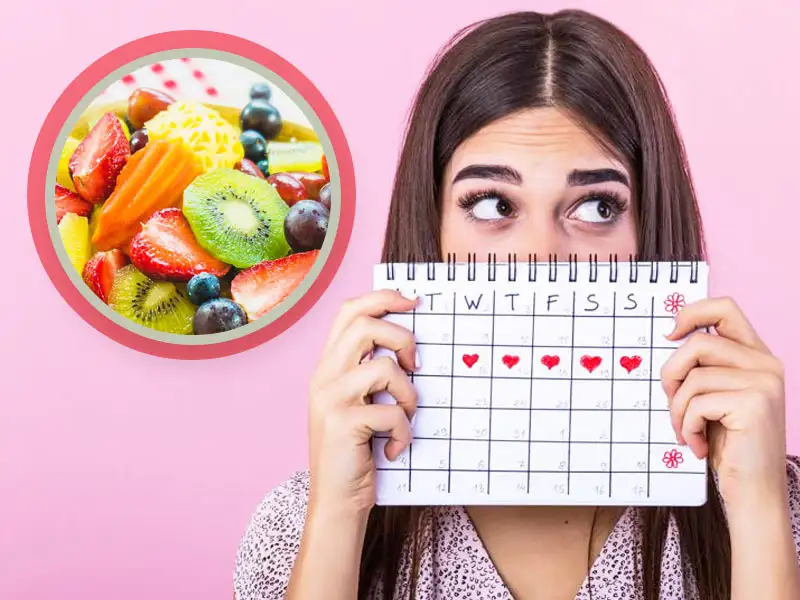
It is very important to pay special attention to your diet during periods. During this period, hormonal changes take place in the body, which affect both physical and mental health. Many women experience increased pain, abdominal cramps, fatigue, weakness and mood swings. Some may also suffer from headache or back pain. Proper care and balanced diet can help in managing the body. If diet is not followed carefully, weakness and irritability may increase. Therefore, it is important to understand your body’s needs during this time. Eating a light, nutritious and balanced diet maintains energy and reduces problems. Let us know which foods are beneficial during your period.
Which foods are beneficial during your period?
Dr. Saloni Chadha, Associate Professor in the Department of Gynecology at RML Hospital, says that an iron-rich diet is beneficial during your period, as it can cause anemia. Green leafy vegetables, pomegranate, beetroot and pulses are good options. Foods rich in calcium and magnesium such as milk, curd, almonds and sesame seeds can help reduce pain and cramps.
Eating light and energy giving foods like banana and oats can provide strength. Milk with ginger and turmeric can help reduce swelling. It’s also important to drink plenty of water to stay hydrated and reduce swelling. Additionally, soups and light, home-cooked meals are easy to digest and soothe the stomach.
What things should be avoided during periods?
Avoid eating excessive salt, fried and spicy food during periods, as these can increase flatulence and stomach pain. Foods with high caffeine content like coffee and cold drinks can increase anxiety and restlessness. Eating too much sugar can also increase mood swings and fatigue. It is best to avoid processed foods and packaged snacks.
This is also important
It is important to take complete rest during periods. Light exercise or walking can help reduce pain. Try to reduce stress and get enough sleep. If the pain becomes severe or unbearable every month, consult a doctor. Don’t ignore your body’s signals and make self-care a priority.