
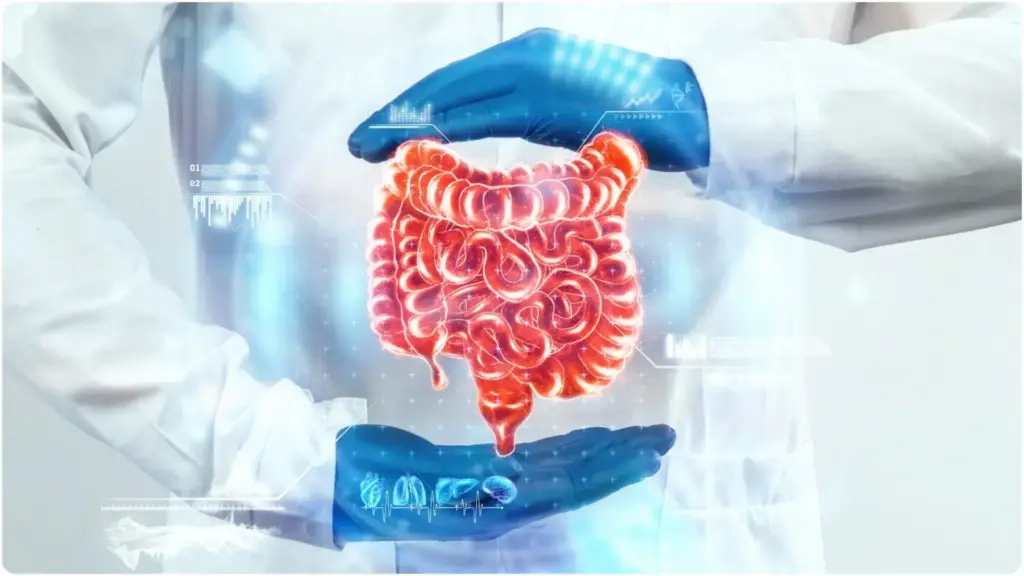
Cancer is a very complex disease, and until now, no single specific cause has been identified. However, recent research has highlighted a major risk factor for bowel cancer (also known as colorectal cancer). Sometimes, abnormal growths of tissue—called ‘polyps’—begin to form on the inner lining of the intestines. Although these growths are initially harmless and normal, if not taken care of, they can gradually turn into cancer.
Combination of two types of polyps: a warning sign
Intestinal polyps can appear in many forms; However, two specific types of polyps have the potential to turn into cancer over time:
Adenomas: These are very common, slow-growing tumors. These are formed from the glandular ‘epithelial’ tissue of the body.
Serrated polyps: These represent abnormal growths on the inner lining of the intestine or rectum. Their edges look like the teeth of a saw.
The study showed that serrated polyps have the potential to turn into cancer much more quickly than adenomas.
What does the new research tell?
A landmark study conducted by Flinders University and Flinders Medical Centre, published in the journal *Clinical Gastroenterology and Hepatology*, closely examined more than 8,400 colonoscopy records. Researchers found that people who had both ‘adenomas’ and ‘serrated polyps’ present in their intestines at the same time had a significantly higher risk of developing serious cancer. This risk was found to be five times higher than in those who had only one type of polyp. A worrying finding was that almost half of the patients with serrated polyps were also found to have adenomas during testing, making this high-risk combination more common than previously thought. prevention is the best cure
As our age increases, the possibility of formation of polyps in the body also increases. The real challenge is to identify and remove these polyps before they become cancerous. Experts believe that the most effective strategy to manage and prevent this condition is to undergo colonoscopy regularly. This process helps in differentiating between different types of polyps and helps in starting treatment at the right time.
Who needs the most attention?
People above 45 years of age.
Those who have a family history of intestinal diseases or cancer. Such persons should be cautious about their health and should pay special emphasis on cancer screening. Timely investigation can save your life.