
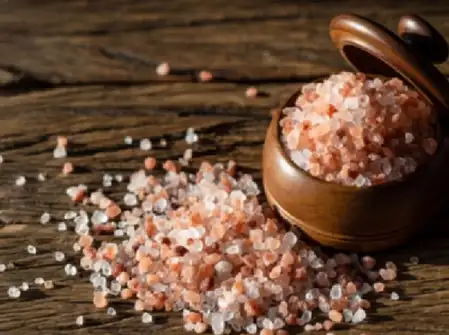
New Delhi, March 23 (IANS). Nowadays, there is a lot of confusion among people regarding salt. Both white salt and pink salt are available in the market. Often the question arises that which of these is more beneficial. According to Ayurveda, pink salt is generally considered better than white salt, because not only sodium but also many minerals like iron, potassium and magnesium are found in it. These help in many important processes of the body.
In Ayurveda, pink salt is considered more beneficial than white salt, because along with sodium, other minerals are also present in it, which help in freeing the body from diseases. Iron, potassium and magnesium are found in pink salt, which play an important role in the formation of cells. Whereas white salt is high-processed salt, which contains more sodium and iodine.
Due to the presence of iron, potassium and magnesium, pink salt is more beneficial than white salt. Pink salt is less processed, although pink salt does not contain iodine and white salt has iodine added separately. If there is a disease like thyroid and goiter, then consuming white salt is more beneficial, because diseases like thyroid and goiter are caused due to deficiency of iodine, however it should be consumed in limited quantity only.
Pink salt is less processed and contains more minerals. In such a situation, pink salt is easy to digest and also helps in reducing swelling, whereas white salt due to excess of sodium causes swelling and there is a risk of water retention in the muscles.
White salt is more dangerous than pink salt in heart related diseases because the sodium content is higher. In such a situation, patients can consume pink salt in small quantities. Please consult your doctor before consumption.
–IANS
PS/VC