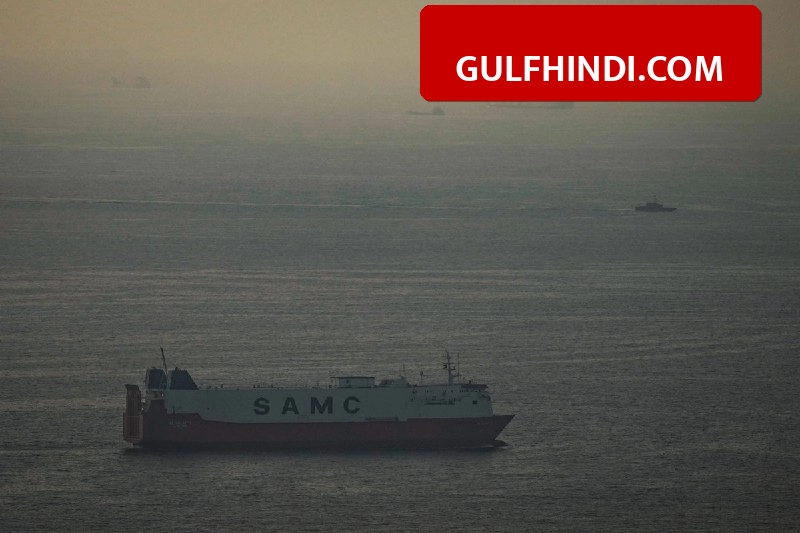
Iran has decided to implement a new registration and checking system for sea vessels passing through the Strait of Hormuz. According to the report of Lloyd’s List, Iran is now moving towards imposing selective restrictions on this important sea route. Under this new system, ships will now have to give complete information to Iranian authorities in advance to pass through there.
What will ships have to do under the new rules?
Iran’s Islamic Revolutionary Guard Corps (IRGC) is developing this new system. Now any ship that wants to pass through this route will have to give complete information in advance about its ownership and where the goods are going. Some special rules have been made for this which are given below:
The ships will have to give their information to those people associated with Iran who are working outside the country. Iranian Ambassador Ali Mousavi has made it clear that this route is open only to those ships which are not enemies of Iran. Countries like India, China, Pakistan and Malaysia are in direct talks with Tehran for the security of their ships. The ships will be required to coordinate with Iranian authorities to ensure their safety.
What was the impact on maritime trade and traffic?
There has been a sharp decline in maritime traffic on this route since the tensions began in late February 2026. According to the report, up to 95 percent decline has been recorded in transit. Ships from many countries are now looking for alternative routes or are leaving the place after taking huge risks.
Details Latest figures and information Reduction in traffic by almost 95 percent Transit fees One tanker reportedly paid $2 million Security measures Some ships traveled with their AIS systems turned off Countries involved in the talks India, China, Pakistan, Iraq and Malaysia
Experts say that this new system may provide a solution for some time, but in the long run it will prove to be very costly financially. Shipping companies are now having to spend more money for insurance and security, which is likely to impact global trade.