
Amidst the ongoing tension in West Asia, the Indian government has shared important information regarding energy supply. The Petroleum Ministry clarified on Wednesday that there is no shortage of crude oil in the country, due to which the supply of petrol and diesel will remain normal. However, due to problems in shipping, there is some concern regarding the supply of LPG gas cylinders.
The government has appealed to the general public not to make panic booking, because there is adequate stock of cylinders at more than 25 thousand gas agencies across the country. To meet domestic demand, refineries have increased production by 38 to 40 percent.
New prices and rules of LPG cylinder
Some major changes have been made in the prices and rules of gas cylinders from March 2026. The ongoing dispute in the international market has affected the prices. New rules have been issued for the common man and PNG gas users.
New prices: The price of 14.2 kg domestic cylinder has increased by Rs 60. Now it is available for Rs 913 in Delhi. Commercial cylinder (19 kg) has become costlier by Rs 114.50 to Rs 1883.
Ujjwala Scheme: There is no change in the price for Ujjwala beneficiaries. They will continue to get subsidy of Rs 300 as before.
New rule for PNG people: Those who have piped gas (PNG) in their homes will no longer be able to get a new LPG connection nor will they be able to book refill of the existing cylinder.
Booking Time: To ensure proper distribution of gas, now gas cylinders can be booked only after an interval of 25 days in cities and 45 days in villages.
No need to panic, government took strict steps
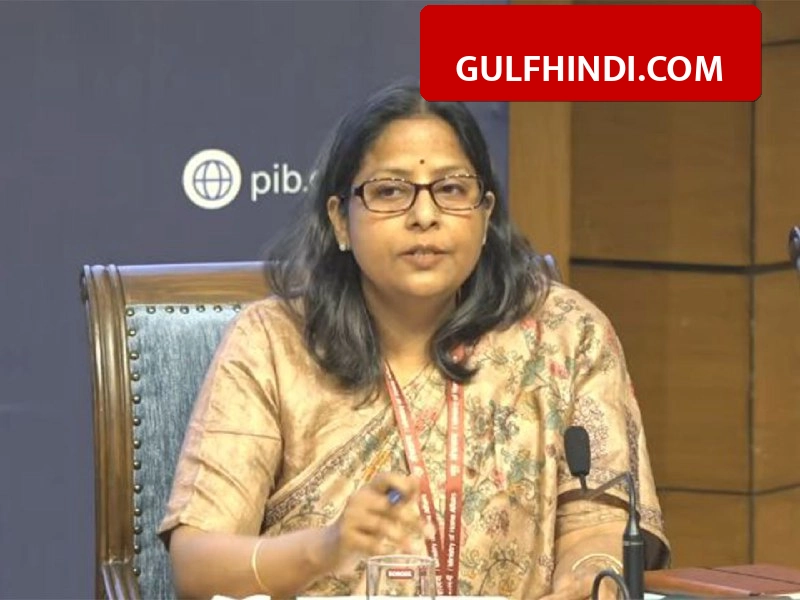
Sujata Sharma, Joint Secretary, Petroleum Ministry, said that all the refineries of the country are working at more than 100 percent capacity. To stop black marketing of gas, the administration has so far raided more than 12 thousand places and seized more than 15 thousand cylinders.
Recently, 70 lakh people booked gas cylinders in a single day, which the government has termed as panic booking. The government has clearly said that supply of gas for household kitchens is the first priority. The supply of non-essential industries has been cut so that the common people do not face problems. Apart from this, alternative of kerosene and coal is being given to hotels and restaurants.