
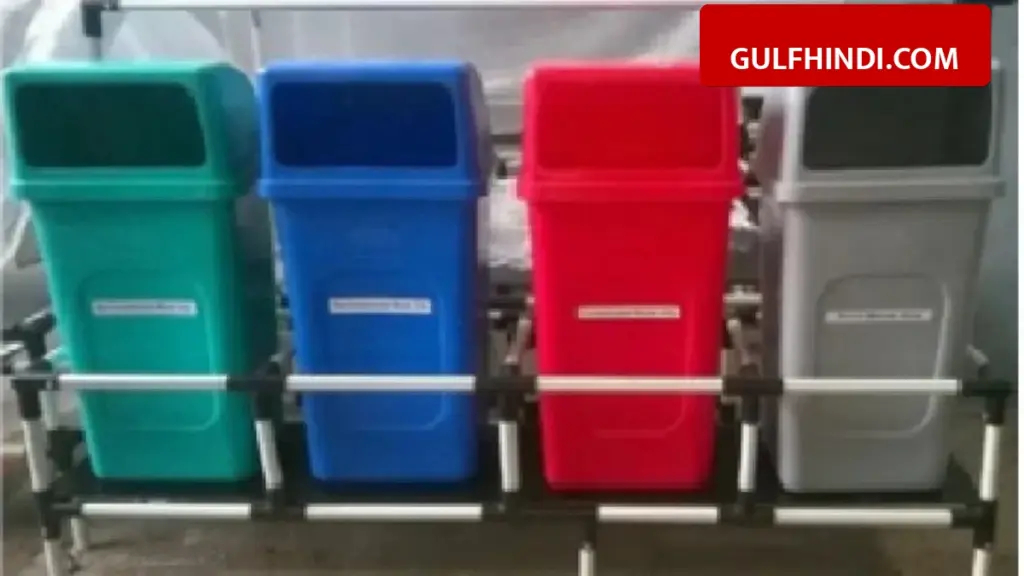
The central government has taken a big and strict step regarding waste management in the country. The Environment Ministry has approved ‘Solid Waste Management Rules 2026’, which will replace the old 2016 rules. This new law will come into effect across India from April 1, 2026. Now every citizen and big institutions will have to divide their garbage into not two, but four different categories. If the rules are not followed properly, there is a provision for heavy fines and punishment.
Important news for you: Passenger plane disappeared from radar and crashed in Colombia, 15 people including MP died tragically.
Now the waste will have to be separated in these 4 ways
According to Union Minister Bhupendra Yadav, now people will have to separate the waste generated from home or office at the source itself i.e. while throwing it. It has been made mandatory to divide it into four parts:
Wet Waste: This will include leftover kitchen food, peels of fruits and vegetables, meat, and flowers and leaves.
Dry Waste: This will include items made of plastic, paper, metal, glass, wood and rubber.
Sanitary Waste: Used diapers, sanitary napkins, masks and tissues. It will have to be wrapped in paper or bag and thrown away.
Special Care Waste: Paint cans, old bulbs, batteries, thermometers and expired medicines.
To whom will this strict rule apply?
The government has increased the responsibility on ‘bulk waste generators’ i.e. those who generate excess waste. According to the new rules, any building or society whose area is more than 20,000 square meters, or which generates more than 100 kg of waste daily, will fall in this category. This includes big hotels, malls, hospitals, educational institutions and government departments. These big institutions will have to look after the entire system of collection and disposal of their waste themselves.
provision of fine and punishment
Now strict action will be taken against those who violate the rules. Under the ‘Polluter Pays’ principle, only the person who spreads filth will have to pay compensation. Environmental compensation will have to be paid for giving wrong information or working without registration. According to the report, breaking the rules can result in a fine of up to Rs 20,000 or up to three months in jail. Now you will have to pay higher fees for throwing unsegregated garbage in the landfill.