
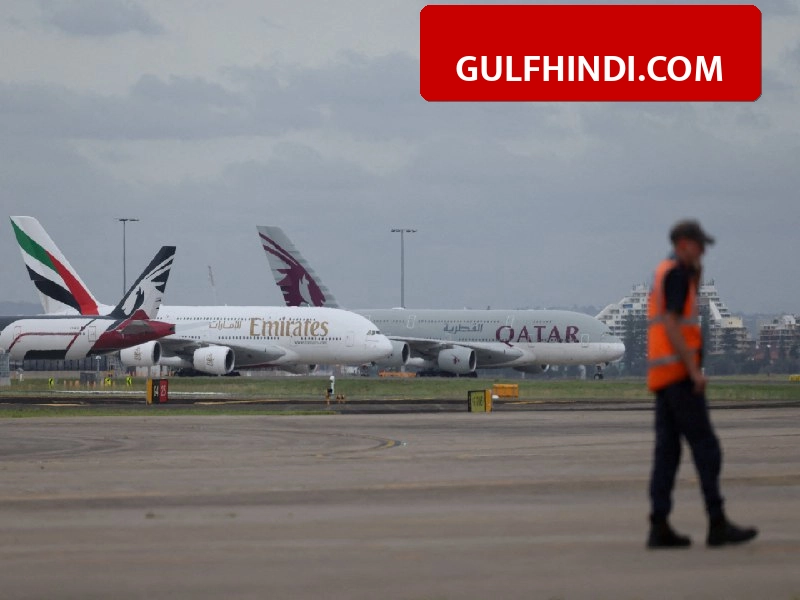
The United Arab Emirates (UAE) has officially reopened its airspace. After thorough investigation of the security situation, all flight operations are being normalized from March 17, 2026. For the past few days, flights were banned due to regional tensions and threats of drone attacks. Now the General Civil Aviation Authority (GCAA) has announced that the country’s air routes are completely safe for navigation.
ℹ: Saudi Arabia’s big project: Now 20 lakh people will be able to offer namaz together in Mecca’s mosque, 100 billion dollars spent.
What impact will opening of UAE airspace have on passengers?
After the opening of airspace, big airlines like Emirates, Etihad and India’s Air India and IndiGo are gradually restoring their old schedules. At present the number of flights has reached about 44.6% compared to normal days. Officials have advised passengers to check the status of their flight on the airline’s website or app before going to the airport to avoid crowding and hassle at the airport.
What are the key figures related to security and restrictions?
Even though air travel has started, some strict safety rules will still be in place. In the last few days, security forces have foiled threats on a large scale. The main data related to this is given in the table below:
Details Figures/Status Missiles intercepted 304 ballistic and 15 cruise missiles Drones destroyed 1,627 drones Ban on private drones fully implemented across the country Shah Gas Field fire under control, situation normal
GCAA and Defense Ministry have made it clear that they are monitoring the airspace in real-time. The ban on flying private drones, gliders and light sports aircraft for the general public will still continue. Those who violate these rules will be imposed heavy fines and their equipment will be confiscated.