
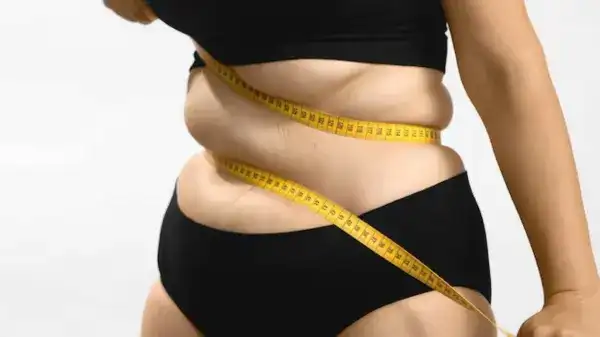
You may have noticed that despite similar diets and exercise routines, men often lose weight easily, while women have to work harder. This can be frustrating for women, but experts attribute this to differences in women’s biology. Yes, there is a difference in the biology of men and women, which is why women have to work harder to lose weight. Let us know why.
body composition
There is a difference in the body composition of men and women. Generally, women have more body fat and less muscle mass. Our metabolism largely depends on our muscle mass. Due to less muscle mass, women have a lower basal metabolic rate, which means their bodies burn fewer calories at rest than men.
Interestingly, having more body fat in women is part of evolution. This extra fat proves to be very important for the body during pregnancy. Additionally, men and women have different bone structures, and fat is stored in different places in their bodies. In women, fat is distributed throughout the body, so they often need to lose more weight to see noticeable changes in their appearance.
pregnancy
Women have to face hormonal changes at different stages of their lives. Weight gain and body fat gain are natural during pregnancy, and this may persist even after childbirth. New parents often find it difficult to get enough sleep and exercise, both of which are important for weight loss. However, breastfeeding burns calories, which can help with weight loss. Then comes menopause. During this stage, hormonal deficiency and slow metabolism increase the chances of weight gain, especially around the abdomen. As muscle mass decreases with age, it becomes difficult to maintain the same weight.
hormonal imbalance
Hormonal imbalance is quite common in women. Conditions like PCOS affect about 5% to 10% of women, making it very difficult to lose weight and causing irregular periods. Additionally, diseases such as Cushing’s syndrome, Hashimoto’s disease, and hypothyroidism are also more common in women, leading to hormonal imbalance and weight gain.