
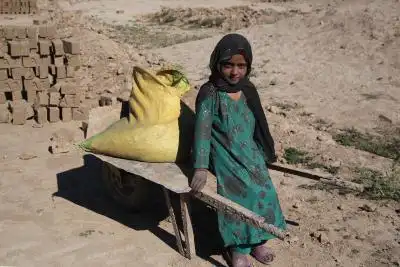
New Delhi, March 4 (IANS). A recent report released by the Planning Commission of Pakistan revealed that both inequality and poverty have increased significantly in Pakistan during the last six years.
The findings are based on data from the Household Integrated Economic Survey (HIS) for 2018-19 and 2024-25 conducted by the Pakistan Bureau of Statistics, which comparatively reviewed the level of household income and its distribution.
According to the report, the poverty rate at the national level was 21.9 percent in 2018-19, which will increase to 28.9 percent in 2024-25.
A report by Business Recorder published from Karachi states that poverty in rural areas has increased from 28.2 percent to 36.3 percent, while in urban areas it has increased from 11 percent to 17.4 percent.
The report said this surge in poverty is the result of an increase in unemployment, widening income inequality and a decline in the real income of households.
The Planning Commission’s analysis has also revealed that the unemployment rate has increased from 5.7 percent in 2020-21 to 7.1 percent in 2024-25. During the same period, the average real income of families has declined by 27.5 percent, which has adversely affected the purchasing power and standard of living of the people.
The report makes it clear that instability in economic policies and irresponsible decisions have made this situation more serious.
The report also mentions other major reasons for the increase in poverty and inequality. The COVID-19 pandemic in 2019-20 and devastating floods in 2022-23 dealt a severe blow to the economy.
Additionally, subsidies under International Monetary Fund programs aimed at stabilizing the economy were cut, indirect taxes increased, and development expenditure was drastically reduced, placing additional burden on the common people.
Presenting the report, the Planning Minister stressed the need to adopt export-led development model, special focus on relatively less developed districts and to establish better fiscal balance between the federal and provincial governments.
He advocated strengthening the social safety net, including cash transfer schemes, targeted poverty alleviation programs and encouragement of small and medium enterprises (SMEs).
Experts believe that this report is not just a compilation of data, but it is a serious indication of the widespread decline in the standard of living in Pakistan.
It also suggests various components of a holistic and balanced development strategy to reduce inequality and eradicate poverty. The Business Recorder article expresses hope that the current government will implement these recommendations and take concrete steps towards economic stability and social justice.
–IANS
ASH/DKP