
New Delhi, November 5 (IANS). Scientists at the University of Illinois, Urbana-Champaign have made a discovery that could significantly reduce the dependence on antibiotics in the future. Researchers have identified antimicrobial peptides that are capable of destroying harmful bacteria without causing antibiotic resistance.
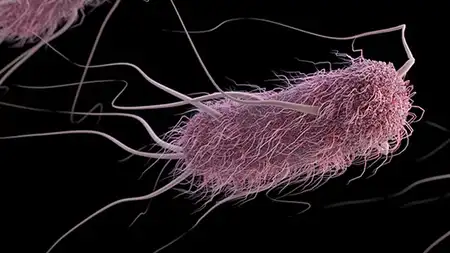
Antimicrobial peptides can control pathogens such as Salmonella bacteria and E. coli that impair gut health. Both of these are the main causes of food borne diseases. Not only this, these antimicrobial peptides can also serve as an alternative to antibiotics in combating increasing antimicrobial resistance (AMR).
Antimicrobial peptides, which are chains of amino acids, have the ability to kill harmful bacteria without creating resistance to antibiotics.
The findings suggest that antimicrobial peptides have the potential to improve food safety and protect public health without relying on antibiotic use.
“Antimicrobial peptides have the potential to become alternatives to antibiotics and could help reduce antibiotic resistance,” says Professor Girish Rajasekhar, lead author of the study.
Research found that these peptides not only destroy dangerous bacteria like Salmonella, but are also effective on other pathogens including E. coli. This characteristic makes them a valuable biological tool to enhance food security and protect public health.
Salmonella is one of the leading causes of foodborne illness in the US. Chickens and their products such as eggs and meat are considered to be the main sources of Salmonella infection in humans. Therefore, scientists focused their study on exploring antibiotic alternatives to control Salmonella in chickens.
The research, published in the journal Microbiology Spectrum, showed that the identified peptides destroyed many strains of Salmonella in laboratory tests. Subsequently, these peptides also proved effective in experiments conducted on chickens.
According to the researchers, the antibacterial ability of these peptides is due to their damage to the cell membrane of Salmonella. It is noteworthy that these peptides retain their activity even in industrial processes such as heat and protease treatment, which makes their practical use in the poultry industry possible.
Rajasekhar further said, “We have identified two antimicrobial peptides that destroy many types of Salmonella and reduce their levels in chickens.”
In the next phase, researchers will test these peptides on a large scale. They will try to understand how they can be added to chickens’ water or feed, the mechanism by which these peptides kill Salmonella, and how other similar effective compounds can be identified.
–IANS
kr/