
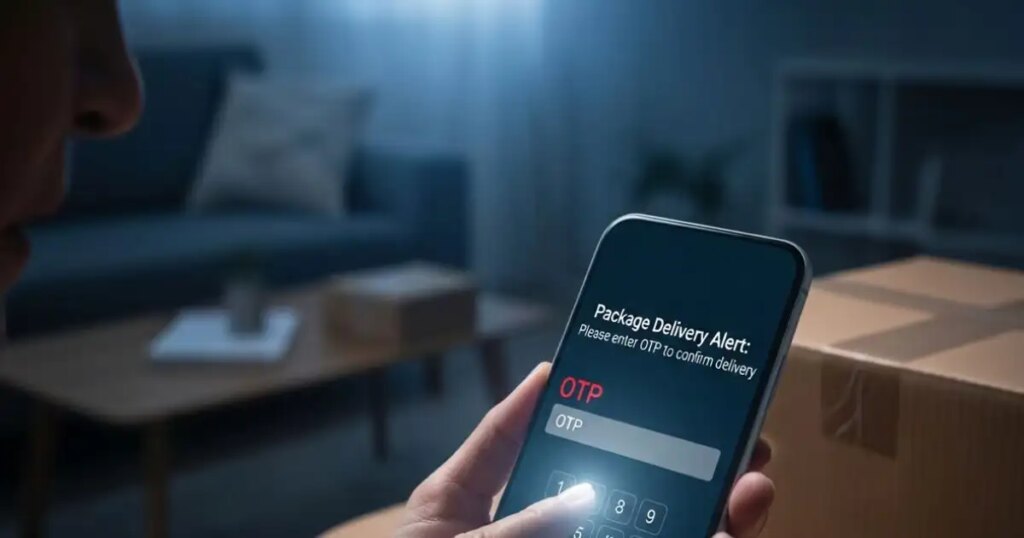
Nowadays, use of smartphones for banking, UPI payments and social media has become common. But along with this trend, incidents of online fraud are also increasing rapidly. Especially, fake OTP scams have become a major means to target people. Cyber security experts say that many such scams can be avoided by adopting a simple habit.
How do fake OTP scams work?
Earlier, fraudsters used to cheat people by posing as bank employees, but now their methods have changed a lot. Nowadays, they make calls posing as delivery agents, telecom company representatives, KYC officers, job recruiters or customer service agents. In many cases, they use fake caller ID or AI generated voices to make their calls look real. Then they create an atmosphere of hurry by mentioning some important work, so that you share the OTP immediately.
The easiest way to avoid OTP scam
According to cyber security experts, if you get OTP while talking to a stranger on a call, you should first disconnect the call and only then check the message. It may sound simple, but this one habit can save you from big financial losses. Scammers take advantage of your nervousness and haste; As long as you are on the call, they keep pressurizing you to give the OTP without thinking. Hanging up the call gives you a chance to read the message carefully and think about it. Often, you discover that the OTP came for a login, bank transaction or account reset process that you never initiated.
Be careful with screen-sharing apps
Cyber criminals don’t just steal OTP; They often ask people to download screen-sharing or remote access apps. Once such apps are installed, fraudsters can view your phone screen and access your important banking information, OTP and other personal data. Therefore, never trust apps or links sent by unknown people.
Remember these 3 rules to keep your money safe:
Do not share your OTP with anyone.
Banks, UPI service providers and government agencies never ask for OTP on phone calls.
Don’t believe scary things right away.
Sayings like “Your SIM is going to be deactivated” or “Your account is going to be blocked” are often tricks of scammers.
Always contact the official number yourself.
Don’t rely solely on caller ID; Fraudsters can manipulate the name and number displayed. If there is any doubt, call the official number of the concerned institution yourself.
A few seconds of caution can save major losses.
Most OTP scams succeed because people react immediately without knowing the truth. By following one simple rule – disconnecting the call before viewing or sharing the OTP – you can significantly reduce the risk of becoming a victim of online fraud.