
New Delhi, 4 October (IANS). According to an official document, the competition in handicrafts, agriculture, tourism and local specialties in Jammu and Kashmir is increasing competition, the cost is decreasing and the markets are expanding.
GST reforms are strengthening the livelihood of artisans and farmers, encouraging exports and promoting employment, ensuring sustainable growth, preserving the rich heritage of the region.
Many heritage products such as GI-Tag Pashmina Shawl, Dogra Paneer and Basohli painting are now in better positions to compete in domestic and global markets, preserving cultural identity.
The document states that the handloom and handicraft sector employs more than 3.5 lakh direct and indirect people, including artisans and marginalized workers. Also, the share of women in these employment is about 45 percent.
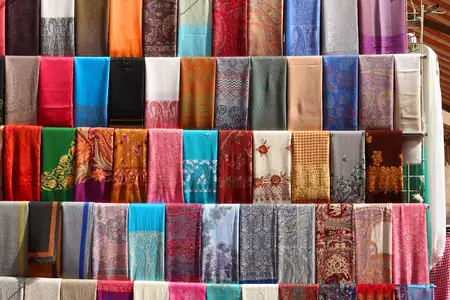
In the Kashmir Valley, especially in Kanhama, about 5,000 weavers make GI-tag the best Pashmina shawl. The GST rate cut from 12 percent to 5 percent makes these shawls more economical, which promotes demand, exports and competition against machine-made copying, protecting livelihood safety and prestigious heritage of Kashmir.
About 500 local artists work in the GI-tag Basohli Painting manufactured at Basohli in Kathua district. With GST improvement, these paintings will become more affordable and marketing, with which the livelihood of the artisans will be supported.
Walnut cultivation in Anantnag, Kupwara, Kulgam and Budgam in Jammu and Kashmir plays an important economic role, which produces a trade of about Rs 120 crore on an annual basis and provides employment to about 10,000 people. By 5 percent of the GST rate, Kashmiri walnuts have become more economical and competitive in both domestic and international markets, which can encourage high demand and better prices for farmers.
Jammu and Kashmir accounts for more than 91 percent of India’s almond production. The region alone provides employment to about 5,500 people. The Kashmiri almond packaging industry is benefiting from this GST improvement.
From the famous temples of Jammu to the lakes and gardens of the Kashmir Valley, the natural beauty of Jammu and Kashmir makes it a top tourist destination globally. During the year 2023, the arrival of tourists increased from 2.1 crores to 2.3 crore in the year 2024. The sector supports over 70,000 employment and contributes about 15 percent to the state’s GDP.
With GST improvement on tourism and hotel tariffs, the journey for a stay up to Rs 7,500 will be more economical than before, promoting occupancy and will encourage the stay for a long time. This will increase revenue for local businesses and strengthen employment in the region.
The characteristic and GI-tag product of Udhampur district is Dogra Paneer. With GST improvement, local dairy producers and small scale cheese manufacturers will benefit from low production costs, improved benefits and increased competition capacity in both domestic and specific export markets.
-IANS
SKT/