
New Delhi, July 2 (IANS). Due to the West Asia crisis, the inclination of Indians towards electric vehicles (EV) has increased and with the market share of EV reaching 20 percent by 2030, the import bill can be reduced by Rs 1 lakh crore. This information was given in the report released by SBI Research on Thursday.
At present, the share of EV in the Indian market is about 10 percent.
After the US-Iran war started on February 28, there was a sharp increase in EV registrations in India. An average of 2.3 lakh EVs per month have been registered in the country in the March-June period, this figure was an average of 1.3 lakh per month in 2025.
“Given the current pace, we think total EV registrations could cross 25 lakh in 2026,” the report said.
The share of full EVs in total registrations is continuously increasing. The share of full EVs has increased from less than 2 percent in 2024 to more than 8 percent in 2026. In some states, the share of full EV has exceeded 10 percent.
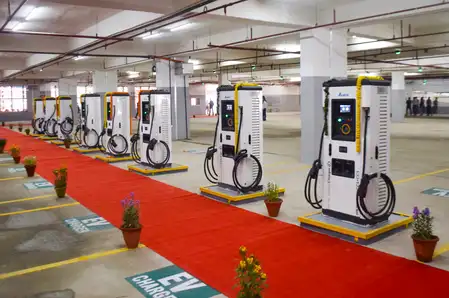
According to the report, there are 29,151 charging stations in India. Of the total charging stations, 35 percent are in just two states (Karnataka and Maharashtra).
Under the new EV policy, the Delhi government is planning to create an infrastructure of 32,000 charging points in the next four years.
“The success of EVs will largely depend on the availability of charging stations,” the report said.
There were 2.86 crore vehicles registered in India by 2025 and this figure is expected to reach 4 crore vehicles by 2030. 20 percent of these vehicles are expected to be EV.
The report praised Delhi’s new EV policy, under which incentives (totaling Rs 60,000) will be given on purchase of two-wheelers in the first three years. For three-wheelers, the total incentive is Rs 1,20,000. N1 commercial trucks will be given a subsidy of Rs 1 lakh in the first year. 100 percent exemption has been given on road tax and one-time registration fee for EVs in Delhi.
–IANS
abs