
New Delhi, October 25 (IANS). Canadian researchers have made a new discovery that could change the way we detect heart disease and aging risk in the future. This research states that by scanning the small blood vessels of the eyes, it can be known how much risk a person has of getting heart disease and how fast his body is aging biologically.
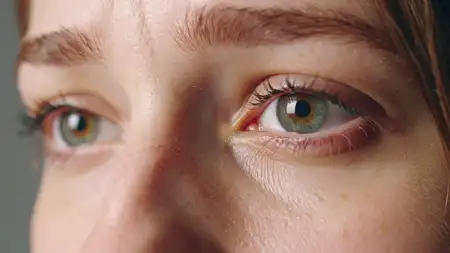
According to research published in the journal Science Advances, the retina of the eyes gives a glimpse of the body’s tiny blood vessels. That means the condition of the blood vessels within the eyes can reflect the health of the nerves of the entire body. This test can be done without any pain or complicated procedure, making it a common and convenient method of health checkup in the future.
“The team combined retinal scans, genetic data and blood samples to understand how the aging process affects the body’s blood vessels,” said Mary Pigare, associate professor of medicine at McMaster University in Canada.
“The eye is like a window into the body’s blood system,” he said. “Changes that occur in the small veins of the eye often mirror changes in small blood vessels throughout the body.”
Data of more than 74,000 people was used in this research. The participants’ retinal scans, genetic information and blood samples were analyzed to understand which people had differences in blood vessel structure and how that affected their health.
The results showed that people whose eye blood vessels were less branching and more straight had a higher risk of heart disease. Additionally, their bodies also showed signs of biological aging, such as increased inflammation and shorter lifespan.
Currently, many types of tests and investigations have to be done to know the risk of diseases like heart, stroke and dementia. These take both time and money. But this research gives hope that in the future, a person’s age and cardiovascular risk can be determined with just a simple eye scanning. However, experts say this technology needs more research and testing before it can be widely adopted.
–IANS
PK/AS