
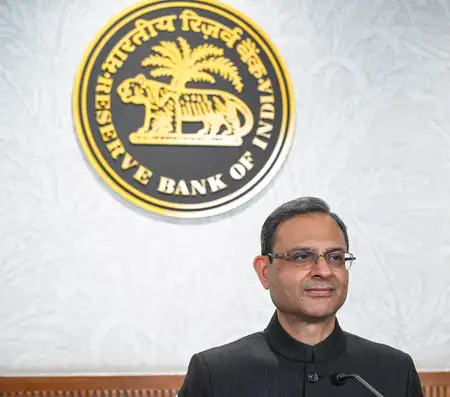
New Delhi, April 23 (IANS). Global economic conditions and investor confidence have weakened following the ongoing conflict in West Asia, which has impacted growth and inflation expectations. Reserve Bank of India (RBI) Governor Sanjay Malhotra said in the RBI bulletin on Thursday that the central bank will remain vigilant on the situation and implement policies that prioritize the best interest of the economy.
The ongoing conflict in West Asia increased pressure on global supply chains in March, although some relief was seen in the first half of April.
Before the conflict began, India’s economy was in a strong state, with good growth rates and controlled inflation.
“Conditions became unfavorable due to the intensification of the conflict in March. But India’s economy is stronger than previous crises and many other countries, making it able to absorb shocks,” Malhotra said in the first RBI bulletin of FY 2027.
Threats to growth are rising globally as energy prices rise and shortages of raw materials needed for many industries add to inflationary pressures. Due to this the risk in the oil market has also increased.
He said that due to this uncertainty, investors are moving towards safer options, which has strengthened the US dollar and put pressure on the currencies of other countries. Metal and gold prices have declined somewhat, but financial markets have become more volatile.
Meanwhile, the stock market has also seen a decline and government bond yields have also increased, which were already at high levels due to inflation and financial concerns.
At the same time, economic activity remains strong in many sectors in India, although a slight slowdown has been seen in some sectors.
He said consumer price index (CPI) inflation increased slightly in March, which was due to fuel and food prices. There was some relief in money markets and bond yields after a temporary ceasefire in West Asia.
Trade deficit fell to its lowest level in nine months due to decline in imports and increase in exports. Foreign direct investment (FPI) remained volatile, while foreign direct investment (FDI) remained positive in February.
Malhotra said that if the supply chain does not recover soon, the initial supply shock could also impact demand in the future.
–IANS
DBP