
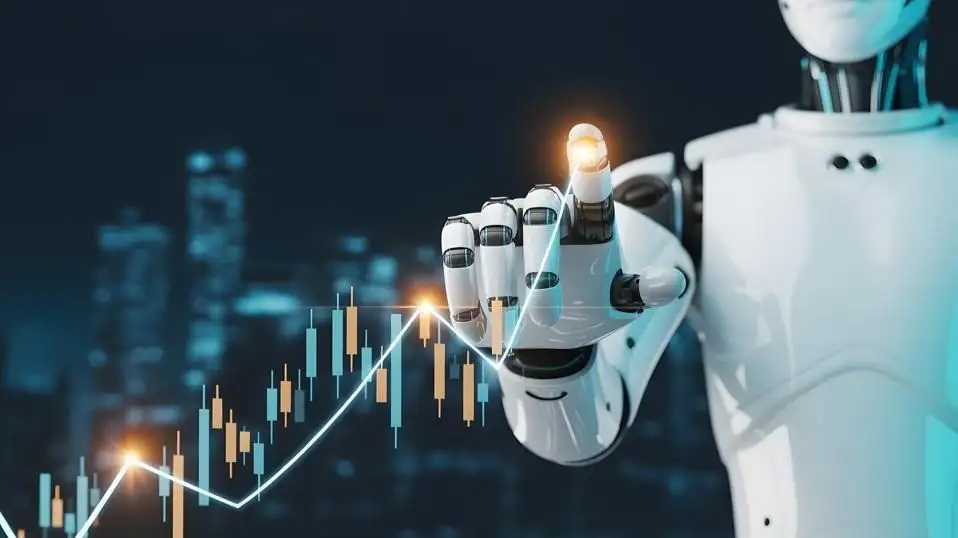
The new year is just around the corner, and 2026 is considered a big turning point in the world of technology. The rapid advancements in Artificial Intelligence have triggered such rapid changes that it is clear that robots will dominate the coming years. There is special enthusiasm about humanoid robots. It is being claimed that these robots will not be limited only to factories and warehouses, but will also come into homes and become a part of everyday life. The companies making these are calling them the biggest revolution of the future. However, behind this bright picture there are some challenges that cannot be ignored.
The biggest concern is the safety of humans. At present, humanoid robots can do many tasks on their own, but they are still kept away from humans. In warehouses and factories, these robots work behind walls or barricades to avoid accidents. The reason for this is clear: if a robot harms a human due to some technical fault or software error, the consequences can be very serious.
Companies are working on creating technology that allows robots to recognize humans and work safely around them. However, this technology is not yet considered completely reliable. Until these safety concerns are concretely addressed, humans and robots working together will remain a risky task.
After security, the second major concern is privacy, especially when robots start being used in homes. Home is a private place, where there are children, pets and valuables. The constant presence of robots with cameras and microphones in the home may make many people feel uncomfortable. Because these robots are connected to the internet, there is also a risk of data leakage and hacking.
There is also a fear among people that these human-like robots can become a means of surveillance. Some companies are assuring users that they can limit the robot’s access to certain parts of the home or control data sharing. Despite this, how ready the common people will be to include these robots in their personal lives remains a big question.
The cost of these robots is also a major obstacle. In the initial stages, humanoid robots are so expensive that a common family cannot even think about them. Although companies claim that prices will come down over time, it is very likely that this technology will still be limited to the rich in 2026. If robots remain limited to the homes of a select few people or big companies, then its benefits will not reach all sections of the society. This may further increase the gap between technology and common people.
The biggest concern is about jobs. Humanoid robots are being designed to perform tasks like humans. Companies claim that these robots will only do jobs that people don’t want to do, like heavy lifting or boring household chores. However, the truth is that this work is the source of livelihood for many people.
If robots take over a large portion of these responsibilities, the risk of unemployment could increase. In such a situation, governments and society will have to think about how to retrain those whose jobs have been affected and how to create new opportunities for them.
2026 may prove to be a year full of miracles of technology. Robots have the potential to make life easier, but it is equally important to address issues related to security, privacy, cost and employment. Until these questions are answered, it will be difficult to decide whether robots will become friends of the future or a new challenge.