
Kochi, July 10 (IANS). The Central Marine Fisheries Research Institute (CMFRI) has warned that sardine fishing may be affected next year due to El Nino.
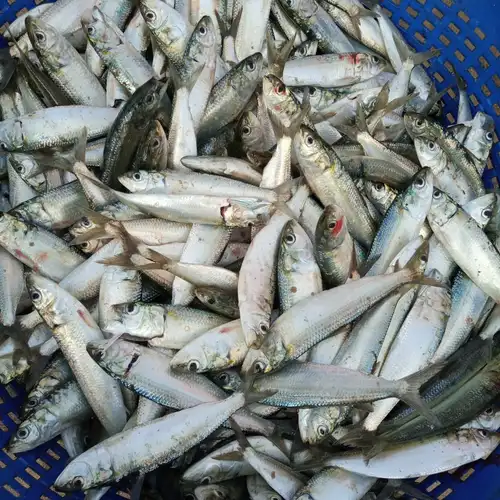
Although Indian oil sardine stocks are abundant this year, CMFRI said there could be a sharp decline in sardine availability in 2027 due to El Nino. Marine heat waves and rising sea temperatures may threaten fish production along the Indian coast.
CMFRI Director Dr Grinson George gave this warning while inaugurating the National Fishermen’s Day celebrations at the institute on Friday.
According to Dr. George, the heat associated with El Nino is expected to intensify further during October-December this year, the effect of which can be felt in the Northern Indian Ocean by April-May 2027.
Oil sardine reserves are abundant this year, but projected temperature increases are likely to impact the resource in 2027, he said. Small pelagic fish, particularly oiled sardines, are most vulnerable to marine heat waves and increases in ocean temperatures.
Dr George warned that projected temperature increases could lead to a sharp decline in marine fish production, affecting both the fishing industry and the livelihoods of coastal communities.
Drawing attention to climate predictions, he said available scientific information shows that there is a high probability of marine heat waves, increased sea surface temperatures and increased salinity during April and May next year.
He warned that its impact would not be limited to sardines.
Continued ocean temperature increases could damage delicate coral reef ecosystems, causing coral bleaching and reducing the numbers of coral reef-associated species such as red snapper.
To help the fishing community prepare for changing conditions, CMFRI announced that it will begin issuing El Nino advisories to fishermen and fish farmers later this year to help them make informed decisions about fishing and fisheries practices.
Fish farmers were also advised to be prepared for sudden environmental changes. Dr George said prolonged periods of high temperatures and salinity followed by heavy rains could cause salinity levels to fluctuate rapidly, disrupting coastal fisheries and increasing the risk of production loss.
–IANS
ms/