
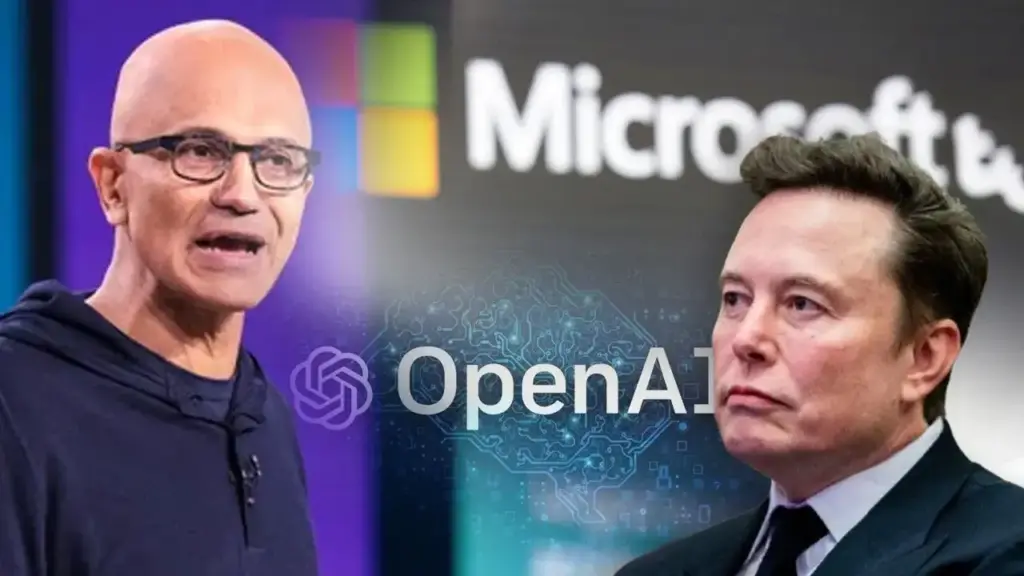
Legal battles have intensified in the world of AI. Tesla and X owner Elon Musk has filed a major lawsuit against OpenAI and Microsoft. Musk alleges that OpenAI deviated from its non-profit mission and entered into a profit-sharing partnership with Microsoft, thereby defrauding him. On this basis, Musk is demanding damages ranging from $79 billion to $134 billion (about Rs 11 trillion). This case has now reached the jury trial.
How the dispute between Musk and OpenAI started
Elon Musk co-founded OpenAI in 2015 and contributed about $38 million at that time. He claims that OpenAI was to be made a non-profit organization working for the betterment of humanity. However, the company later partnered with Microsoft and moved towards a profit-driven model. Musk argues that this is a hoax and that OpenAI has deviated from its core principles.
How the $134 billion damages were calculated
Financial expert C. Paul Wazan assessed the damages, according to court documents. The report states that OpenAI’s current valuation is around $500 billion, in which Musk should also have a share. This calculation includes not only Musk’s financial contributions but also his technical and business advice. It claims that OpenAI made between $65 billion and $109 billion in unfair profits, and Microsoft made between $13 billion and $25 billion in profits.
Counter statement from OpenAI and Microsoft
OpenAI has described Musk’s allegations as completely baseless. The company says Musk’s lawsuit is just a ploy to harass him. OpenAI also claims that Musk wanted complete control over the company, which was not possible. According to the company, Musk wanted to merge OpenAI with Tesla, which is why he left the board in 2018.
ChatGPT, Microsoft, and the battle ahead
Since the launch of ChatGPT in 2022, Musk has become one of the biggest critics of OpenAI. He also called OpenAI a closed-source, profit-maximizing company. Meanwhile, OpenAI has transformed itself into a public benefit corporation and given a 27 percent stake to Microsoft. This legal battle may attract even more attention to the AI industry as the case progresses.